

Understanding the Fair Go in Australia
Discover how Australia’s 'fair go' shapes everyday life, work, and policies 🇦🇺. Explore its roots, impact, and debates on fairness in a ever-changing society.
Edited By
Charlotte Miller
Australia's image as "the land of the fair go" is deeply woven into its national identity. This phrase suggests that everyone has an equal shot at success, regardless of background. Historically, it echoed through labor movements, post-war prosperity, and government policies aimed at leveling the playing field. But as the nation evolves, so do the factors shaping fairness today.
At its core, the "fair go" aligns with values like opportunity, equality, and justice. However, economic and social realities challenge this ideal. For example, housing affordability in cities like Sydney and Melbourne can price out many hardworking Australians, pushing them to the margins. Indigenous Australians still face significant disparities in health, education, and employment—a tough reminder that fairness isn't universal.

Look at wage growth too: while some sectors like tech and finance see rapid increases, others such as retail and hospitality lag behind significantly. This wage gap hints at uneven chances despite Australia's stable economy. Plus, systemic barriers like education access and institutional bias raise tough questions about what a "fair" chance really means today.
Fairness isn't just a slogan; it's about how policies and social attitudes impact real lives in everyday ways.
For gamblers and casino staff, understanding this context sheds light on broader societal challenges. Video gambling machines and betting can disproportionately affect lower-income groups, raising concerns about fairness beyond just the gaming floor. Digital marketers and IT pros working in these industries benefit by grasping the socio-economic background influencing customer behavior and regulatory responses.
Here are key points shaping the modern discussion:
Economic inequality: Wealth distribution is skewing, influencing who gets ahead.
Indigenous rights and recognition: Progress is made but significant gaps remain.
Housing and education: Critical factors limiting fair access.
Workforce disparities: Wage gaps and job security issues.
Understanding these factors is essential if you're involved with Australian audiences or industries relying on trust and social fairness. The bottom line: The "fair go" remains a powerful ideal but is under pressure from real-world challenges that demand attention and thoughtful action.
Understanding where the 'fair go' ideal comes from is key to grasping its role in Aussie culture today. This phrase isn't just a catchphrase—it reflects centuries of social values that shaped Australian society. It became a shorthand for fairness, opportunity, and standing up against unfair treatment, themes that resonate deeply in social and economic matters.
The concept of a fair go traces back to Australia’s colonial days, where early settlers faced harsh conditions and a rigid class system imported from Britain. In this setting, the fair go emerged as an informal promise that everyone deserved equal treatment, despite background or wealth. Think of the gold rush era—where despite lawlessness and chaos, Australians developed an expectation that fortune seekers had an equal shot, no matter their origin.
This laid foundations for an egalitarian spirit where fairness wasn’t just polite talk but a survival mechanism for communities in tough environments.
By the late 19th and early 20th centuries, labor unions in Australia adopted the fair go as a rallying cry. Workers demanded reasonable wages, safe working conditions, and the right to organize. This was more than slogans; it was about breaking down economic hierarchies that favored wealthy landowners and industrialists while leaving blue-collar workers behind.
For example, the rise of the Australian Labor Party and the introduction of the 8-hour workday were practical outcomes of this push. The fair go ideal empowered these movements to push for social reforms that balanced power between classes, establishing principles still debated today.
As Australia matured, the fair go evolved from labor rights into a broader cultural identity marker. It became shorthand for national values like mateship, hard work, and fairness. Politicians, media, and everyday conversations frequently use it to justify policies or criticize perceived unfairness.
It's a cultural touchstone that shapes public expectations around fairness in jobs, education, health care, and more. For instance, debates on immigration policy often invoke the fair go to argue for inclusive practices.
The fair go isn’t just nostalgia or an old phrase—it’s a living idea influencing how Australians see equality and fairness today.
In short, these origins show how the fair go is deeply woven into Australia’s social fabric, playing a practical role from early communities through industrial progress to contemporary debates about social justice and inclusion.
Economic equality remains a cornerstone of the "fair go" principle in Australia. Today, the conversation revolves around how income and wealth are shared across society, plus how job opportunities and security impact people's lives. Understanding these elements helps reveal if everyone truly still gets a fair shot.
Australia has experienced widening income and wealth gaps over the past few decades. While the top 10% have seen steadily growing incomes and asset gains, middle- and lower-income groups often face stagnant wages and shrinking economic mobility. This gap challenges the idea of a fair go, as some now find it harder to climb the economic ladder.
For example, a report by the Australian Bureau of Statistics shows the Gini coefficient—a measure of income inequality—has climbed in recent years, indicating a heavier concentration of wealth at the top.
Tax policies and social welfare programs play critical roles in addressing these disparities. Progressive taxation, where higher earners pay a larger percentage, helps redistribute wealth, while welfare programs support vulnerable populations.
However, cuts to certain social services or loopholes favoring large corporations can undermine these efforts. For instance, debates around modifications to the childcare subsidy and unemployment benefits highlight how policy shifts affect fairness in practice.
Low- and middle-income earners often bear the brunt of rising living costs, such as housing and healthcare, without corresponding income growth. Meanwhile, wealthier individuals benefit from capital gains and tax incentives.
This dynamic limits economic opportunities for many, making it harder to secure stable futures. Practical consequences include increased financial stress and reduced ability to invest in education or retirement savings.

Stable employment with fair wages and benefits is key to economic security and the fair go ideal. Traditional full-time jobs still offer the best path to stability, but those positions are not as widely available as before.
Industries like manufacturing and retail face automation and outsourcing pressures, reducing secure jobs. In contrast, sectors such as healthcare and tech offer growth but often require advanced skills, creating a skills gap for many workers.
The rise of the gig economy—driven by platforms like Uber, DoorDash, and Freelancer—offers flexible work but often lacks job security, benefits, or consistent income. Workers face unpredictable schedules and limited protections, often falling into the "precariat" class.
These conditions can leave gig workers vulnerable, challenging traditional ideas of fair employment. For example, a rideshare driver might earn less than minimum wage after car expenses, with no paid sick leave or retirement benefits.
Youth and minority groups encounter extra hurdles in the job market. High competition, limited networks, and discrimination reduce access to stable employment.
Young Australians, especially recent graduates, often juggle part-time or temporary work, delaying financial independence. Indigenous Australians and people from immigrant backgrounds face similar issues compounded by systemic barriers.
The bottom line is that economic inequality in Australia today shows cracks in the fair go promise, especially when it comes to income distribution and job security. Addressing these gaps requires both policy action and practical support to ensure everyone gets truly equal footing.
Access to essential services like healthcare and education is a cornerstone of fairness in any society. Social inclusion ensures that all groups, regardless of their background or location, can participate fully in economic and social life. In Australia, disparities in these areas raise questions about whether the "fair go" ideal is truly being upheld.
Rural vs Urban Access
Living in remote or rural parts of Australia often means facing significant hurdles in healthcare access compared to urban dwellers. For example, while cities like Sydney and Melbourne have numerous hospitals and specialists, rural towns might only have limited clinic availability and longer wait times. This gap affects timely diagnosis and treatment, which can worsen health outcomes for rural residents.
Challenges for Indigenous Communities
Indigenous Australians experience notably poorer health on average compared to non-Indigenous populations, with higher rates of chronic diseases like diabetes and heart conditions. Geographic remoteness plays a part, as many Indigenous communities are located far from major medical centers. Cultural barriers also impact access, including mistrust of healthcare providers and limited culturally sensitive services.
Impact of Policy on Health Equity
Government policies aimed at improving health equity, such as funding for telehealth services and Indigenous-specific health programs, show promising efforts to bridge gaps. However, challenges remain in implementation and consistent funding. For instance, while telehealth can connect remote patients to specialists, unreliable internet service or lack of digital literacy can limit its benefit.
Ensuring equitable access to healthcare services remains a vital test of Australia's commitment to the fair go ideal.
Public vs Private School Opportunities
Australia’s education system includes both public and private schools, which often differ in resources and outcomes. Private schools typically have better funding, smaller class sizes, and more extracurricular options. This creates an uneven playing field, where students attending under-resourced public schools might miss out on opportunities vital for personal and academic growth.
Cost Barriers and Financial Aid
Tuition fees, school supplies, and extracurricular costs can strain families, especially in low-income households. Although government programs like the Education Tax Refund and scholarship opportunities aim to alleviate some burdens, many families still struggle to afford the full scope of educational needs, potentially limiting students’ ability to compete fairly later in life.
Education Outcomes and Social Mobility
Strong education outcomes are a key driver of social mobility, allowing individuals to improve their life prospects. When access to quality education is unequal, social mobility stalls, and existing inequalities widen. Studies in Australia show students from wealthier backgrounds consistently achieve higher academic results, underscoring the need for policies that level this playing field.
Social inclusion through fair access to healthcare and education continues to be a major factor determining whether the promise of a fair go truly applies to all Australians. Practical reforms and targeted support for vulnerable groups remain essential to closing these gaps.
Discrimination and social barriers remain major roadblocks to achieving a true "fair go" for all Australians. These challenges affect access to opportunities and resources, undermining equality in both economic and social spheres. Understanding these issues sheds light on the gap between Australia's ideal and reality.
Indigenous Australians continue to face systemic disadvantages that affect health, education, and employment outcomes. For example, Indigenous communities often deal with limited healthcare access in remote areas and lower school completion rates, limiting job prospects. These disparities highlight the ongoing impact of historical marginalization and policies that failed to recognize Indigenous rights fully.
Addressing these issues isn't just about charity; it's about ensuring Indigenous Australians get the same shot at success. Programs like the Closing the Gap initiative aim to reduce inequalities, but progress is slow, showing the depth of barriers still in place.
Australia's multicultural makeup is a strength, but immigrant populations often face hurdles like language barriers and cultural bias. Refugees and recent immigrants may struggle with recognition of overseas qualifications or experience discrimination in housing and employment.
Still, many immigrants contribute significantly to the economy and culture, navigating these barriers daily. Understanding these challenges helps businesses and policymakers create more inclusive environments where diverse talents thrive.
Systemic barriers—deeply embedded policies or societal norms that disadvantage certain groups—persist across many sectors. These include racial profiling in law enforcement, limited representation in leadership roles, and unequal access to quality education.
Such barriers aren’t always overt but can subtly influence decisions and outcomes. Recognizing and tackling systemic issues is key to creating fair policies that genuinely give everyone a level playing field.
Despite progress, women in Australia earn about 13.8% less than men on average, reflecting the gender pay gap. This gap widens for women of color and those in certain industries like tech or finance.
Career advancement is another hurdle. Fewer women reach senior leadership positions, partly due to unconscious biases and unequal opportunities. Closing these gaps demands intentional policies, transparent pay practices, and mentorship programs.
Harassment remains a significant issue, with many women and marginalized groups experiencing hostile or unsafe work environments. Such conditions hurt productivity and morale, forcing some to leave their jobs prematurely.
Workplace policies have improved, including clearer reporting channels and anti-harassment training. However, enforcement and cultural change require continuous effort to ensure workplaces feel safe and supportive for all employees.
Balancing career ambitions and family responsibilities often falls disproportionately on women, limiting their work hours or forcing career breaks. Paid parental leave and flexible work arrangements help, but access varies widely across industries and employers.
Better support for caregiving roles benefits everyone by enabling a more diverse and committed workforce. Companies like Salesforce and Accenture illustrate good practices by offering generous family leave and flexible schedules, setting standards others can follow.
Discrimination and social barriers are not just personal struggles—they affect the broader economy and society by limiting who can contribute fully. Tackling these challenges is critical to keeping the "fair go" alive in a changing Australia.
The future of the fair go in Australia hinges on how policies, social attitudes, and community actions adapt to ongoing economic and social shifts. It's about making sure everyone still has a fair chance to succeed despite changing times—from rapid technology shifts to evolving demographics. For those working in fields like gaming, marketing, or IT, understanding this future can influence how businesses cultivate inclusion and fairness in practice.
Governments at both federal and state levels are crucial players in shaping fairness through regulation and reform. Recently, initiatives like expanded income support during economic downturns and tightening rules on workplace discrimination have sought to uphold the fair go ideal. For example, reforms in minimum wage laws directly impact the economic security of low-wage workers, many of whom are employed in service industries, including casinos and hospitality.
Moreover, policy actions that increase funding for affordable housing or education improve accessibility for disadvantaged groups. These steps help break down entrenched inequality by creating tangible opportunities for social mobility, ensuring fairness keeps pace with new economic challenges.
Community organizations often fill gaps left by government programs by providing targeted support to marginalized populations. For instance, nonprofit groups in major cities run job training and mentoring programs that help youth and immigrants enter competitive markets like tech and marketing.
Private companies also influence fairness by adopting inclusive hiring practices and diversity initiatives. Casinos and gaming companies implementing bias training or career advancement programs for women and minorities demonstrate how private sectors can actively promote a fair go in the workplace. These efforts boost company culture and improve public trust, which ultimately benefits business growth.
Emerging inequalities—stemming from automation, the gig economy, and regional disparities—pose fresh challenges. For example, IT professionals may witness job shifts towards AI-driven roles, while casual workers in gaming or hospitality risk unstable incomes.
To stay fair, strategies must address these disruptions directly. That could mean stronger social safety nets, retraining programs for displaced workers, or policies regulating gig work to offer fair wages and benefits. Recognizing these trends early allows Australia to adjust its fairness framework proactively.
Public opinion shapes the fate of the fair go by influencing policy direction and social norms. Current debates reflect polarized views: some question whether the ideal still holds, while others call for renewed commitment amid rising inequality.
These conversations matter because they drive political will and community engagement. For example, discussions around minimum wage hikes or anti-discrimination laws gain momentum when public support swells, pushing governments to act.
Media outlets play a big role in framing fairness issues, from news stories about wage gaps to social media campaigns on workplace diversity. Positive coverage can raise awareness and pressure businesses and lawmakers to address unfair practices.
However, media can sometimes oversimplify complex problems, leading to misunderstandings or polarized opinions. Critical media literacy helps the public make informed judgments about how fairness is represented and what actions are needed.
Young Australians often drive social change by challenging old norms and advocating for equity in new ways. In tech and gaming communities, for example, younger workers push for inclusive cultures and transparent policies on pay and promotion.
Their perspectives matter because they shape the future workforce and consumer base. Businesses and policymakers who listen to youth concerns about fairness can build stronger, more diverse teams and communities that reflect modern Australia.
The bottom line is that the fair go is not just a nostalgic phrase but a living promise that requires continuous effort from governments, communities, and individuals to remain relevant in Australian society.
Discover how Australia’s 'fair go' shapes everyday life, work, and policies 🇦🇺. Explore its roots, impact, and debates on fairness in a ever-changing society.

Does Australia truly offer a fair go? Explore how the nation handles social justice, economic chances, and Indigenous rights — and what needs fixing 🤔🇦🇺
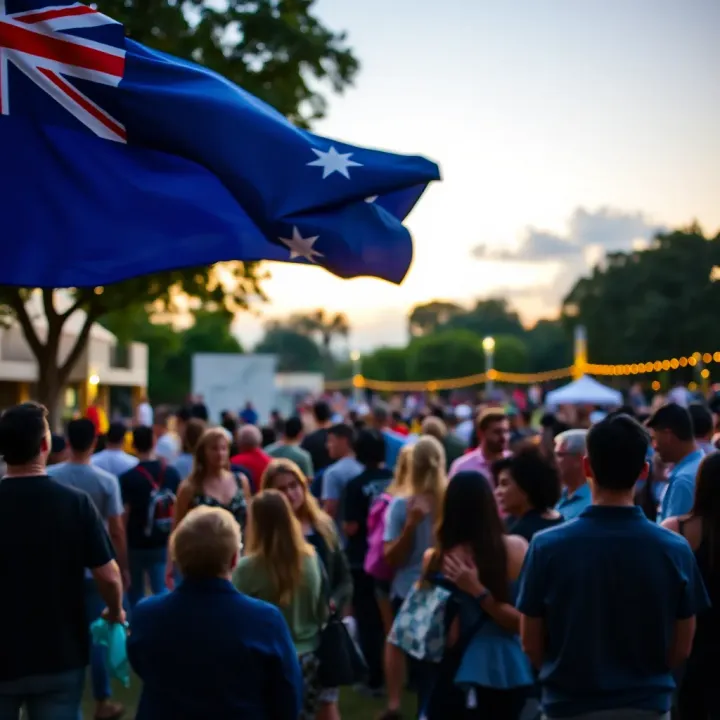
Explore the true meaning of a fair go in Australia 🇦🇺 — how it shapes workplace fairness, social attitudes, government policies, and everyday life for all Aussies.

🇦🇺 Discover why the fair go matters in Aussie life—how it shapes society, influences policies, and why keeping it fair isn't always straightforward. ⚖️
Based on 9 reviews