
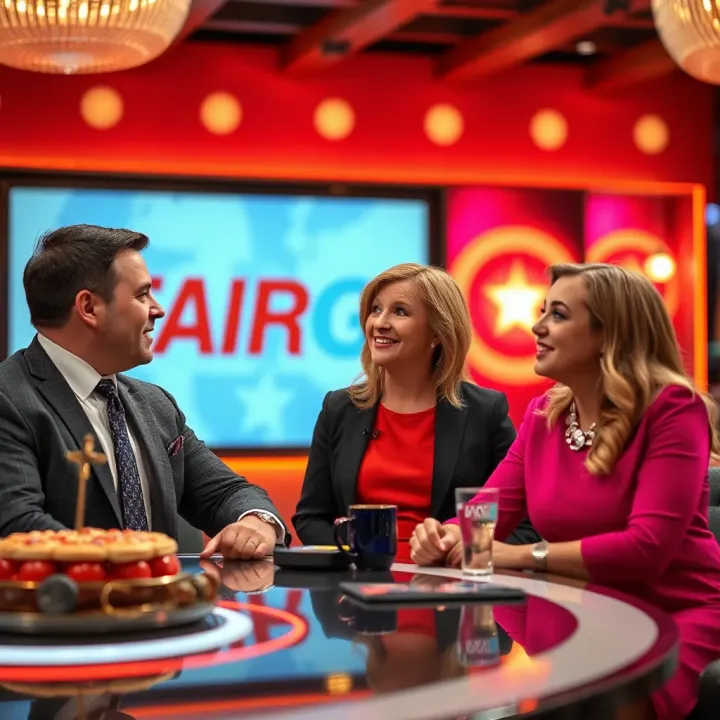
Fair Go Presenters and What to Expect in 2026
🔍 Discover Fair Go's current presenters, their role in consumer advocacy, and what changes to expect in 2026. Get a clear look at the team behind Australia's trusted consumer show.
Edited By
Chloe Taylor
Fair Go, the consumer advocacy TV show, made a name for itself with its straightforward approach to tackling real issues Americans face. The original presenters helped set the tone for this no-nonsense style, blending investigative reporting with a relatable, down-to-earth delivery that viewers connected with.

The show first hit the airwaves in 1977 with presenters who had strong journalism backgrounds. These folks weren’t just reading scripts; they were digging deep to expose unfair practices in industries like retail, banking, and housing.
Brian Edwards was known for his sharp interviewing style and commitment to uncovering the truth even when it ruffled feathers.
Carolyn Lewis brought empathy and a keen sense of consumer rights, making complex issues accessible to everyday viewers.
John Hawkesby provided the hard facts with an approachable demeanor, making it easier for viewers to feel informed and empowered.
Together, their unique strengths made the show trustworthy and engaging.
These presenters shaped Fair Go’s focus on practical solutions over sensationalism. For instance, when tackling problems with malfunctioning products, they didn’t just call out the companies—they guided viewers on steps to get refunds or replacements.
This grounded approach helped the show stand out in an era when consumer rights were just starting to gain traction. Their work laid the foundation for later consumer protection laws and inspired viewers to take action on their own.
The original Fair Go presenters didn’t just inform viewers—they empowered them to stand up for their rights in the marketplace.
Many original presenters moved on to notable careers in broadcasting and public service. For example, after Fair Go, Brian Edwards hosted several high-profile talk shows and became a familiar face in media. Carolyn Lewis advocated for stronger consumer protections beyond television, influencing policy discussions.
Their legacy is clear: by combining journalism flair with genuine care for consumers, they set a blueprint for trustworthy reporting that still influences consumer media today.
In summary, understanding the original Fair Go presenters gives you insight into how authentic advocacy and engaging storytelling can change public opinion and even policy. That legacy continues to matter for anyone interested in consumer rights or media's role in social change.
Fair Go launched in the early 1980s as a television program aimed squarely at championing consumer rights and holding businesses accountable. It quickly became a trusted voice for everyday Americans frustrated by unfair practices. Understanding the importance of Fair Go sets the stage for appreciating the impact its original presenters had in forging the show's identity.
At its core, Fair Go works to expose scams, poor customer service, and dodgy deals, giving consumers the information and confidence they need to protect themselves. The format mixes investigative journalism with practical advice, often illustrating real cases. For example, Fair Go might spotlight a roofing company ripping off homeowners or a retailer falsely advertising warranties, then follow up with expert tips on how people can avoid or resolve similar issues.
This clear, straightforward approach makes complicated consumer rights topics accessible. It’s not just about catching wrongdoing but empowering viewers to make better choices. The blend of hard-hitting reports and helpful guidance became a blueprint for consumer advocacy shows nationwide.
The original presenters were more than just faces on screen; they shaped Fair Go’s tone and trustworthiness. Their backgrounds ranged from investigative reporters to seasoned broadcasters, each bringing a unique flavor to the program. Their credibility helped build a strong bond with viewers, who saw them as genuine advocates rather than distant journalists.
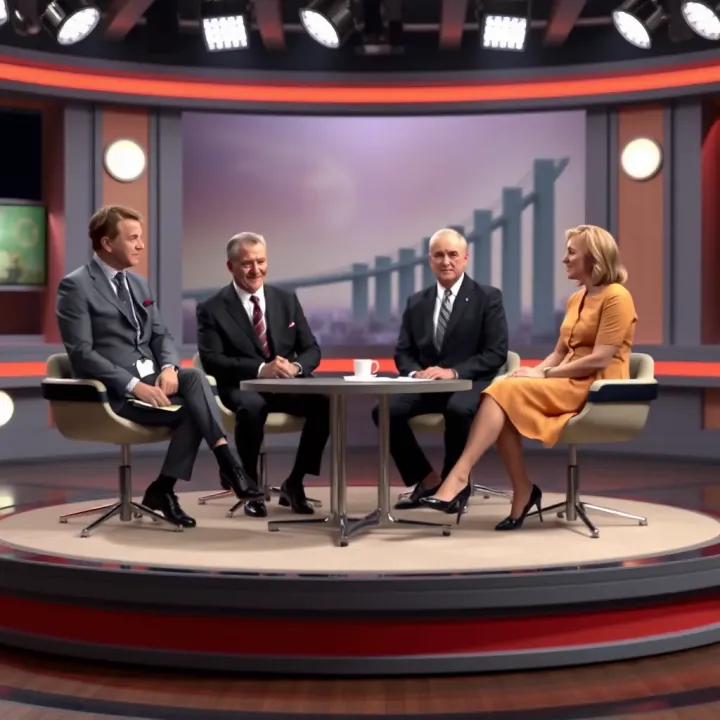
Presenters played multiple roles—they researched stories, confronted businesses, and interacted directly with consumers. Their on-screen chemistry and straightforward delivery made complex issues relatable and kept viewers engaged. This personal touch gave Fair Go its reputation as a dependable watchdog.
The presenters' ability to connect with viewers and dive deep into issues made Fair Go a cornerstone in consumer protection television.
In short, understanding Fair Go’s mission and the vital role of its presenters provides necessary context for exploring how these original personalities influenced consumer advocacy and the show’s lasting legacy.
Getting to know the original Fair Go presenters is key to understanding the show's foundation and lasting appeal. These personalities didn't just deliver consumer reports—they brought a unique blend of credibility, charisma, and investigative rigor that made Fair Go a trusted resource. Their backgrounds, roles, and on-screen styles shaped how viewers connected with consumer advocacy during the program's early days.
Most of the original presenters came from diverse but related fields. For instance, one might have previously worked as an investigative journalist for local newspapers, honing skills in research and fact-checking. Another could have experience in television reporting, already familiar with the demands of live or recorded segments. These varied starts gave them a solid foundation to tackle consumer issues effectively. Having at least a few years in journalism or media helped them navigate complex topics and communicate clearly to a wide audience.
The original team featured individuals who each brought something different to the table. One presenter often handled in-depth investigations that required extensive fieldwork and interviews. Another excelled in simpler, story-driven segments that highlighted everyday consumer mishaps and straightforward advice. There was also a presenter known for breaking down legal jargon into understandable terms, helping viewers grasp their rights quickly. This division of roles ensured a balanced approach that kept the content engaging yet informative.
What really set these presenters apart was how they connected with viewers. Their style was straightforward but warm, avoiding flamboyance while still grabbing attention. They spoke plainly, using clear language without dumbing things down. Their skeptical but fair tone reassured viewers that each issue was taken seriously, making the show both dependable and relatable. For example, when tackling a faulty product report, a presenter would combine facts with an empathetic narrative, creating trust and prompting action. This blend of professionalism with an approachable demeanor became a blueprint for future consumer shows.
Understanding these profiles sheds light on why Fair Go became such a staple for consumer advocacy and how the presenters' real-world experience translated into effective storytelling and trustworthiness.
Through knowing their backgrounds, roles, and styles, you grasp not just their individual contributions but the collective strength they brought to consumer reporting on American television.
The original presenters of Fair Go made a significant impact on consumer advocacy by tackling real-life issues that affected everyday Americans. They weren’t just faces on the screen; these presenters dug into problems that highlighted unfair business practices, product safety concerns, and service gaps. Their work helped shape a sense of accountability, encouraging companies to operate transparently and fairly.
One standout example was the investigation into faulty household appliances that caused fires in multiple states during the early seasons. The presenters tracked down consumers who suffered losses and confronted manufacturers who’d ignored safety complaints. This report led to nationwide recalls, sparking changes in safety regulations and raising awareness about consumer rights. Another memorable case involved exposing deceptive advertising practices by used car dealers in mid-sized cities, a revelation that pressured local authorities to crack down on fraudulent sales tactics.
Such investigations weren’t isolated events; they reflected the show's mission to hold businesses accountable. The presenters' relentless work emphasized practical issues—from billing errors by utility companies to misleading food labels—that viewers could relate to and benefit from. These reports weren’t just attention-grabbers; they gave the public tools they needed to protect themselves.
Earning viewer trust started with transparency and straightforward communication. The presenters brought a down-to-earth style, speaking plainly without corporate jargon, which made the information accessible. They often showed themselves testing products, interviewing affected consumers, and even confronting businesses on-camera, lending credibility to their work.
Moreover, the presenters weren't afraid to admit when mistakes were made in their reports or when new facts emerged, which further boosted viewer confidence. Their commitment to fairness—giving businesses a chance to respond—helped avoid sensationalism while keeping the content honest. Over time, audiences came to see the presenters as reliable advocates, people who’d go the extra mile to stand up for the average consumer.
The original Fair Go presenters didn’t just report problems—they sparked change by holding businesses to account and empowering viewers with knowledge.
In short, the presenters’ detailed investigations and authentic engagement played a major role in consumer rights education. Their successes laid groundwork that modern consumer journalism continues to build on, proving that accountability and trust go hand-in-hand in effective advocacy.
The career paths of the original Fair Go presenters after their time on the show reveal their lasting influence on journalism and media. Exploring these paths offers insight into how their consumer advocacy work paved the way for diverse opportunities and set standards for others who followed.
Many of the original presenters continued to make their mark in journalism and media long after leaving Fair Go. For example, one presenter took on investigative roles with major news outlets like NBC and CBS, applying the sharp consumer watchdog skills they honed on Fair Go to expose corporate scams and unfair practices. Another transitioned into documentary filmmaking, producing compelling stories that highlighted social and economic injustices—an extension of the consumer themes they always tackled. These career moves underscore the presenters' dedication to public service journalism, showing that their influence extends well beyond their Fair Go tenure.
Their ability to connect with audiences on consumer concerns translated well across different media formats. This continued work helped keep consumer rights in the public eye and inspired transparency and accountability from businesses. It also proved to media professionals and broadcasters that authenticity and a strong moral compass could sustain a long and respected career.
The original presenters also set a practical example for those who came after them in television. Their straightforward, no-nonsense style became a blueprint for how consumer advocacy could be presented on mainstream TV. Many current Fair Go hosts credit these trailblazers for shaping their approach, especially in maintaining a balance of empathy and assertiveness when tackling consumer issues.
One clear influence is the emphasis on trustworthiness and direct communication. Successive presenters often mention how the originals’ genuine concern for consumer welfare built a loyal viewer base and established credibility. This legacy encouraged newer presenters to maintain high ethical standards and engage deeply with their audience.
The bottom line is that the original Fair Go presenters didn’t just break stories—they broke ground for future media personalities by proving that consumer advocacy and compelling storytelling go hand in hand.
Through their post-Fair Go careers and influence on others, these presenters have left an indelible mark on consumer journalism and television presentation, ensuring that the spirit of Fair Go continues to resonate today.
The legacy of the original Fair Go presenters remains a cornerstone not only for the program’s history but for consumer rights advocacy across the country. Their work sparked widespread awareness among ordinary viewers about their rights and the ways to stand up against unfair business practices. This legacy continues to influence how consumer issues are handled, setting a high bar for accountability and transparency.
The original presenters brought consumer rights into living rooms with unmatched clarity and urgency. They didn't just report issues—they educated the audience on navigating complex complaints, from faulty products to deceptive services. For instance, their investigative pieces on misleading warranty terms led to tangible improvements in industry standards. This approach helped everyday people understand legal protections and feel empowered to demand fair treatment, significantly raising the bar for consumer knowledge nationwide.
Over the years, the original Fair Go presenters earned several prestigious journalism awards, such as the New Zealand Media Awards and broadcasting honors recognizing their commitment to consumer advocacy. These accolades celebrated their tough investigations and their ability to translate complex issues into relatable stories. Their recognitions weren’t just for their reporting skills but also for their ethical standards and dedication to public service, which resonated deeply with viewers and peers alike.
The way the original team combined tough questioning with genuine empathy created a formula that current hosts still follow. Their insistence on fairness, thorough fact-checking, and clear communication created audience trust—a trust that today’s presenters must continually earn. Beyond style, they embedded a culture of accountability into the show's DNA. For example, today's hosts still reflect their predecessors' balance between holding businesses accountable without tipping into hostility, maintaining credibility with both consumers and companies.
The bottom line is the original Fair Go presenters didn’t just expose problems; they helped build an informed consumer culture that still guides the show’s mission today.
Their legacy teaches that solid reporting combined with sincere care can spark real change. This blend is what keeps Fair Go relevant and respected in an ever-shifting media environment, making their impact felt well beyond their time on screen.
🔍 Discover Fair Go's current presenters, their role in consumer advocacy, and what changes to expect in 2026. Get a clear look at the team behind Australia's trusted consumer show.
Explore the fair go's roots and impact ⚖️, how it shapes fairness and policies in society, and its ongoing role in promoting equal opportunity for all.
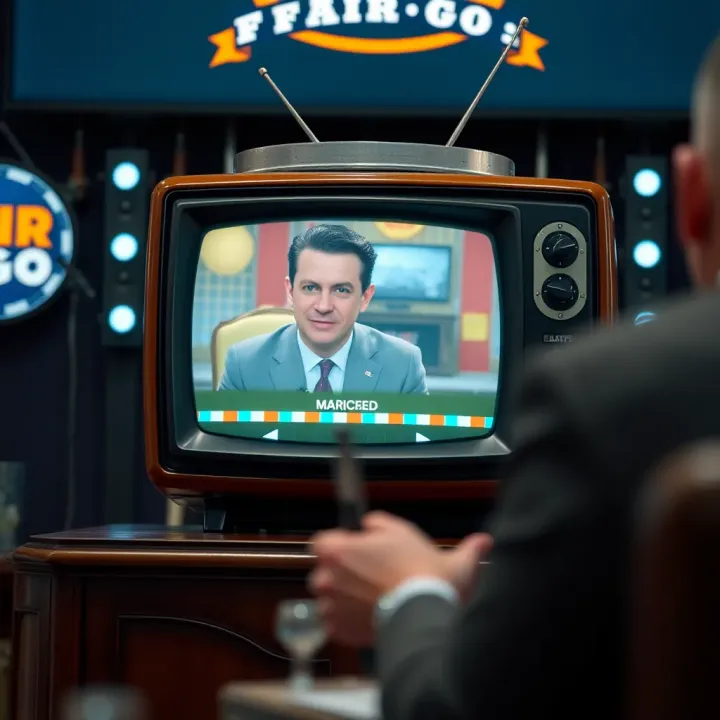
📺 Take a look at the Fair Go presenters who've shaped Aussie consumer affairs, sharing real stories that help and connect everyday Australians over the years.

Explore the Fair Go Review’s findings on social and economic fairness, its impact on Aussies, business responses, and challenges ahead 📊🤝
Based on 9 reviews