

Understanding Fair Go Reporters in Australian Media
📢 Discover how fair go reporters champion public interest in Aussie media, influencing community awareness and policy while facing unique challenges 👀
Edited By
Isabella Cook
Fair Go Reporters are key figures in New Zealand’s consumer watchdog scene. They investigate business practices that might be unfair or shady, shining a spotlight on those who could be taking advantage of customers. You can think of them as part journalist, part consumer advocate—working to make the market more honest and transparent.

These reporters work with the TVNZ program Fair Go, which has been around since 1977. Their mission? To dig up stories where companies might be overcharging, misrepresenting products, or providing poor services. They often get tips straight from consumers who feel wronged, then follow up with thorough investigations.
Fair Go Reporters don’t just rely on hearsay. They gather evidence by contacting businesses, testing products firsthand, and sometimes even setting up undercover operations. For example, they might test a casino’s payout accuracy or verify claims made by a digital marketing company about their services. Their findings are broadcast to a nationwide audience, which keeps businesses on their toes.
When a Fair Go report exposes unfair practices, businesses often have to change their ways quickly. That could mean fixing misleading ads, improving customer service, or offering refunds. For consumers, this means extra protection and a clearer understanding of what to expect in the marketplace. For instance, a report revealing dubious gaming machine payouts could influence players to better research casinos before gambling.
Fair Go Reporters follow strict guidelines to ensure fair and accurate reporting. They verify claims carefully to avoid legal trouble and maintain their credibility. This commitment helps build public trust, making their investigations impactful and respected.
The bottom line is that Fair Go Reporters keep both consumers and businesses honest, helping create a fairer marketplace in New Zealand.
If you work in casino gaming, digital marketing, IT, or blogging, keeping an eye on Fair Go reports can be smart. They highlight industry pitfalls and practices you should avoid. Plus, understanding their role can guide you in building trust with your own customers.
In short, Fair Go Reporters serve as watchdogs who keep businesses accountable and protect consumers from unfair treatment. Their work benefits everyone who wants a marketplace that plays by the rules.
Understanding Fair Go Reporters is key to grasping how consumer issues are tackled in New Zealand. These reporters serve as watchdogs who dig deep into unfair business practices, giving consumers a voice and a shield against scandals. For anyone interested in consumer rights or business accountability, knowing what these reporters do and how they work offers clear insight into the system protecting everyday buyers.
Fair Go launched in 1993 as a response to growing concerns about consumer scams and unfair trade practices in New Zealand. It began as a television program aiming to expose dodgy businesses and alert consumers. This grassroots approach helped fill gaps left by traditional regulatory bodies by providing regular scrutiny and raising public awareness.
The main goal of Fair Go is to safeguard consumers by spotlighting unethical or illegal business behavior. It educates the public, promotes better business ethics, and pushes for reforms when systemic issues arise. The program's straightforward mission is to level the playing field so consumers aren’t left vulnerable to misleading offers or shady practices.
Fair Go mainly targets everyday consumers who might not have the resources or knowledge to challenge complex corporate practices. It focuses on common issues from faulty products to misleading advertising, helping people avoid financial traps and make informed choices. For example, it has helped expose scams in real estate agencies and questionable warranty claims in electronics, making it easier for consumers to trust their purchases.
Fair Go Reporters investigate consumer complaints, gather evidence, and produce reports to inform the public. Their role goes beyond just telling stories—they verify claims, interview parties involved, and ensure facts are airtight before broadcasting. This responsibility means they influence both consumer safety and corporate behavior significantly.
These reporters are seasoned journalists trained in investigative techniques and ethical reporting. Many have backgrounds in consumer protection, law, or investigative journalism, which makes them adept at uncovering hidden truths amid business spin. Their experience ensures that reports hold up legally and ethically, which is crucial since businesses can be quick to challenge unfair coverage.
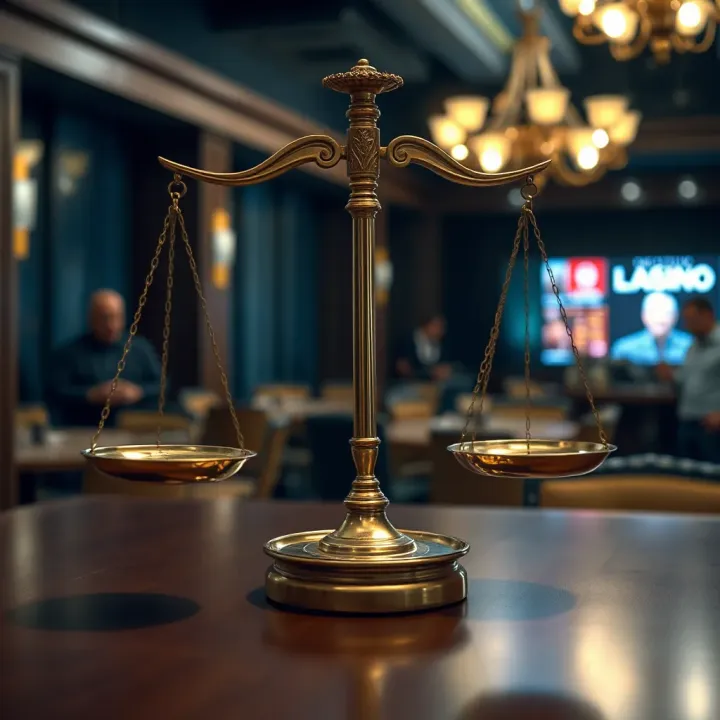
Fair Go Reporters handle a variety of consumer issues, including product safety concerns, deceptive marketing, service failures, and scams. Investigations might range from tracking a misleading online seller to testing claims made by car dealerships or casinos. Their work often involves undercover operations or technical assessments to reveal the full story and protect consumer interests.
Fair Go Reporters act as a vital bridge between the average consumer and complex market practices, helping keep businesses honest and buyers informed.
Fair Go Reporters follow a detailed investigation process to ensure consumer complaints are handled accurately and fairly. Their methodical approach helps expose unfair practices and supports consumer protection in New Zealand’s marketplace. Understanding this process shows how they deliver trustworthy reports that influence business behavior and public awareness.
Reporting a consumer complaint to Fair Go typically starts online or via phone, where individuals can describe the issue in detail. The process is designed to be straightforward: submit your problem, provide any supporting documents (receipts, emails, contracts), and answer follow-up questions. This makes it accessible for people without legal backgrounds to seek help against unfair treatment.
Once complaints come in, Fair Go reporters perform a screening step to determine the complaint’s validity and seriousness. They verify facts by reviewing submitted evidence, checking company policies, and sometimes conducting quick background checks. This prevents unreliable or frivolous complaints from moving forward, ensuring that only genuine consumer issues receive attention.
With numerous complaints, Fair Go prioritizes cases based on factors like potential harm to consumers, frequency of the issue, and the impact of the business’s practices. For example, a widespread scam affecting hundreds of consumers would take precedence over an isolated billing dispute. Prioritization ensures resources focus on matters that most affect consumer welfare.
Fair Go reporters rely on thorough research techniques such as interviewing consumers, analyzing documents, and reviewing online feedback to build a clear picture. They cross-check information from multiple sources and verify technical claims—like product safety or service promises—to avoid any misleading statements. This research helps them compile well-supported reports.
Sometimes, reporters adopt undercover tactics to test company behavior firsthand. For instance, they might pose as customers to evaluate service quality or verify claims directly. In addition, interviews with affected consumers and business representatives gather multiple perspectives. This balanced approach uncovers facts that might otherwise stay hidden.
Throughout investigations, Fair Go reporters adhere to strict legal and ethical standards. They avoid defamation by confirming all claims and allow companies the opportunity to respond before publishing. Respecting privacy and transparency builds public trust and protects reporters from legal backlash, which is vital given the sensitive nature of some investigations.
The bottom line is that Fair Go’s detailed investigation process safeguards consumers by combining thorough fact-checking, responsible reporting, and ethical standards to reveal unfair business practices effectively.
Fair Go Reports have a significant influence in shaping the consumer landscape and business behavior in New Zealand. The reports don’t just expose unfair practices—they raise awareness and push companies to act responsibly, offering real benefits to consumers and the marketplace.
Improving consumer knowledge is a big part of what Fair Go Reporters do. They break down complex issues like hidden fees or misleading advertising in ways that regular folks can understand. For example, they might explain how a casino’s bonus terms can trap players into wagering more than expected. This kind of clarity helps consumers make smarter choices without getting caught off guard.
Highlighting common scams and pitfalls is another key aspect. Fair Go regularly showcases scams that are trending, such as rigged slot machines in local gaming halls or fake online gambling sites pretending to be licensed. By exposing these, they warn consumers before they fall victim, and often encourage authorities to step in, reducing the risk of widespread harm.
Empowering consumer rights goes beyond warning people. Fair Go provides practical advice on what consumers can do if they’ve been treated unfairly. This might include steps for filing complaints or seeking refunds. Their coverage gives people the confidence to stand up for themselves, knowing they’re backed by a trustworthy source.
Fair Go Reports push companies towards greater transparency and accountability. When businesses know their practices will be scrutinized, they often tighten up policies. For instance, a New Zealand casino might start publishing clearer terms on player bonuses or set stricter controls on customer spending after a Fair Go investigation shines a light on previous shortcomings.
Some reports have directly triggered notable changes. After a thorough report on misleading advertising by certain poker platforms, several companies revised their marketing strategies and improved customer service processes. These changes wouldn’t have happened without the public pressure generated by the reports.
Reactions from companies vary, but many recognize the value in responding promptly. While a few may push back or dispute claims, most issue clarifications or take corrective actions quickly. This eagerness to address concerns often restores trust both with customers and regulators, making the industry safer and more reliable in the long run.
The bottom line is that Fair Go Reports serve as a watchdog that keeps businesses honest, while empowering consumers with the knowledge and tools they need to protect themselves.
In a world where gaming and other consumer services grow more complex, the role of Fair Go as an advocate and educator is more valuable than ever.
Fair Go Reporters operate in a space where trust and integrity matter deeply. Upholding strict standards and ethics isn’t just a formality; it protects the consumers who rely on their investigations and maintains the credibility of the program. Without clear ethical boundaries, reporters risk damaging public confidence, which can seriously impact the program's effectiveness.
Accuracy and fact-checking sits at the core of Fair Go’s credibility. Reporters verify every claim meticulously before broadcasting. For example, when investigating a faulty appliance claim, they cross-check company records, customer complaints, and third-party expert assessments to avoid errors. Mistakes here can lead to unfair damage to businesses or mislead consumers, so thorough validation safeguards everyone.
Balancing fairness with public interest requires careful judgment. Reporters must fairly represent both consumer grievances and business responses, ensuring neither side is misrepresented. Say a restaurant faces cross-contamination issues; Fair Go will show evidence without jumping to conclusions, giving the business a chance to explain or rectify. This balance keeps the reporting honest and avoids sounding like a witch hunt.
Handling disputes and corrections is part of maintaining fairness. If a business challenges a report's accuracy, Fair Go follows a clear process for reviewing claims and making corrections if necessary. They openly acknowledge mistakes, which signals accountability and keeps public trust intact. This transparency reassures viewers that the program values truth over drama.
Transparency of methods means Fair Go reporters openly explain how they gather evidence and conduct investigations. For instance, they might reveal the use of undercover visits or consumer interviews. Showing these methods lets the audience see that investigations are thorough and not based on hearsay, which builds trust.
Disclosure of conflicts of interest is crucial, too. Reporters must avoid situations where personal or financial ties could bias their work. For example, if a reporter has a family connection to a business under investigation, that fact should be disclosed or the reporter should recuse themselves. This prevents doubts about the integrity of the reporting.
Engagement with viewers and feedback rounds out ethical reporting. Fair Go encourages audience participation through tips, complaints, and public responses, which helps keep the reporting relevant. They also respond to criticism constructively, improving their methods over time. This two-way communication strengthens the bond between the program and its audience.
The bottom line is, maintaining high standards and ethics allows Fair Go Reporters to protect consumers effectively while keeping business accountability front and center. Without these principles, their watchdog role would quickly lose power and respect.
Fair Go Reporters in New Zealand face a unique set of challenges that directly affect how effectively they protect consumers and influence business practices. Legal hurdles, cooperation issues with businesses, and the evolving media landscape all test their ability to deliver dependable reporting. Understanding these obstacles helps explain the resilience needed in consumer advocacy and why adapting to new realities is essential.
Fair Go Reporters often walk a tightrope between exposing unfair practices and avoiding legal troubles. Businesses targeted in reports may threaten or file defamation lawsuits to intimidate reporters or block unfavorable coverage. This legal pressure demands meticulous fact-checking, solid evidence collection, and sometimes legal counsel before airing any accusations. For example, a recent case involved a consumer electronics retailer disputing a Fair Go report about warranty breaches. The show's team had to provide clear documentation to defend their piece against a defamation claim, highlighting how legal risks shape their investigative approach.
Another challenge is when businesses refuse to respond or provide information. This stonewalling can stall investigations or leave reporters dependent on consumer testimony alone. Navigating this requires persistence and creative strategies, such as undercover visits or consulting industry experts. In one instance, a car dealer ignored inquiries about misleading promotions, forcing reporters to gather evidence from affected customers and anonymous sources to build a case publicly.
Fair Go has started embracing digital platforms and social media to reach audiences faster and more interactively. Using tools like live Q&A sessions on Facebook or Instagram polls allows reporters to tap into current consumer concerns and gather real-time feedback. This shift helps keep the program relevant, especially as more viewers consume news digitally. For example, when a spike in online shopping scams occurred, Fair Go launched a social media campaign warning consumers while collecting reports directly through their online channels.
Consumer issues today go beyond traditional product complaints to include data privacy, fintech services, and subscription traps. Fair Go Reporters must keep pace by expanding their coverage to these emerging areas. This involves learning new technical skills and collaborating with specialists in cyber security or financial regulations. For instance, recent reports on hidden fees in app subscriptions drew on expert analysis and consumer interviews to explain the risks clearly, showing how Fair Go adapts to a shifting consumer landscape.
Despite the hurdles, Fair Go Reporters play a vital role in promoting transparency and accountability. Their ability to adjust to legal, industry, and technological changes ensures they remain a trusted voice for New Zealand consumers.
By tackling these challenges head-on, Fair Go Reporters continue to safeguard consumers while evolving alongside the market and media trends. This adaptability makes them a valuable resource for anyone navigating the complexities of modern consumer rights and protections.
📢 Discover how fair go reporters champion public interest in Aussie media, influencing community awareness and policy while facing unique challenges 👀

🔍 Discover how the Fair Go Team supports fairness and compliance in Aussie government services, helping with social security concerns and ensuring integrity across systems.

Explore how Dick Smiths Fair Go shapes Australian retail, protects your rights, and builds trust 🛒. Understand its impact on shopping choices and brand loyalty 🇦🇺.

Explore the Fair Go Review’s findings on social and economic fairness, its impact on Aussies, business responses, and challenges ahead 📊🤝
Based on 14 reviews