

Australia’s Fair Go: Meaning and Impact Explained
Explore Australia’s fair go 🇦🇺 — its roots, impact on society, work, welfare, and diversity, plus the challenges it faces in providing a fair chance for all Aussies.
Edited By
Edward Bennett
The phrase "land of fair go" is deeply embedded in Australian identity, symbolizing a belief in fairness, equal opportunity, and a sense of community. It suggests that everyone, regardless of their background or status, should get a fair chance to succeed. This concept has shaped Australian social attitudes and continues to influence values today.

The expression "fair go" dates back to early Australian colonial times. It emerged from a society formed by convicts, settlers, and indigenous people, where fairness was vital amid hardship and social divides. The idea reflects a rejection of favoritism and privilege, emphasizing merit and justice instead.
At its core, the "fair go" represents more than just fairness—it’s about trying to create a level playing field. For Australians, it embodies:
Equal access to opportunities in work and life
Mutual respect among neighbors and communities
Fair treatment by institutions and government
This value often influences public debates on policies like healthcare, education, and workers’ rights.
The "fair go" isn't a legal right but a cultural expectation that shapes people's behavior and judgments.
The "land of fair go" mindset helps explain the country’s relatively strong social safety nets and a working culture that prizes fairness. Companies and leaders emphasizing transparency and equal opportunity might find this value important when engaging with Australian audiences, including staff in casinos and digital marketing sectors.
Moreover, understanding this phrase can guide how products or services are promoted within Australia. Messaging that resonates with fairness, honesty, and community value will tend to be preferred.
If you're aiming to connect with Australians in business or digital spaces, keep these points in mind:
Highlight fairness and equal chances in your offerings.
Emphasize community benefits and respect.
Avoid appearing as if privileging one group unfairly.
For gamblers, casino staff, or gaming bloggers, understanding the "fair go" helps shape expectations around fair play and customer treatment, which can drive loyalty and trust.
In simple terms, the "fair go" is a core piece of the Aussie story, and it’s still very much alive, influencing attitudes for better fairness, community, and respect.
The story behind the phrase "land of fair go" sheds light on Australia's unique cultural identity and societal values. Understanding where this idea came from helps explain its continued relevance, especially for those involved in gambling, gaming, and digital marketing sectors where fairness and opportunity are key selling points.
The expression "fair go" emerged in the late 19th and early 20th centuries, commonly used by workers and everyday Aussies to demand fairness in pay and treatment. It was a rallying cry during labor strikes and union movements when miners and factory workers called out bosses for unjust conditions. For example, during the 1890 Maritime Strike, cries for a "fair go" echoed as workers sought equal wages and respect. This phrase captured the working class's push for equal footing, which still shapes Australian attitudes in workplaces, including casinos and online gambling platforms where fairness in rules and distribution matters.
Australian pioneer settlers forged tough lives in harsh conditions, relying on fairness to survive together. Early communities valued sharing resources, helping neighbors, and giving everyone a chance to succeed. These pioneer days ingrained a practical notion of fairness—whether dividing land or harvesting crops—that trickled through generations. This pioneer spirit still colors how Australians expect fairness in business deals and gaming experiences, demanding transparent rules and equal chances to win.
Australia’s identity as a land of opportunity grew stronger with waves of immigrants bringing diverse views on fairness and equality. Post-World War II immigration introduced Europeans fleeing hardship who expected another shot at a fair chance—jobs, housing, education. Their ideals blended with existing Australian values, reinforcing a culture demanding equal treatment regardless of background. For gaming operators and marketers, recognizing this diversity helps tailor offerings that resonate with a broad, multicultural audience.
Over time, egalitarianism moved from an informal expectation to an entrenched social belief. Unlike rigid class systems seen elsewhere, Australia's social framework emphasized meritocracy—rewarding effort and ability, not birthright. This approach inspired policies such as universal education and later, welfare systems to help level the playing field. For industries tied to public trust, like casinos or online betting companies, demonstrating commitment to fairness is essential to uphold this egalitarian tradition and maintain customer confidence.

The "fair go" began as a simple demand for justice but has grown into a cornerstone of Australian identity, influencing work, play, and social policy alike.
In short, tracing the origins of the "land of fair go" takes us back to grassroots demands for fairness during early labor struggles, shaped by pioneer cooperation and enriched by immigrant hopes, shaping modern Australian values. Understanding these roots helps businesses and communities alike uphold fairness in practical, meaningful ways today.
The concept of a "fair go" lies at the center of Australian values, emphasizing fairness, equal opportunity, and community spirit. This ideal isn't just a vague notion; it plays out practically in everyday life, guiding how people expect to be treated and how society aims to operate.
At its core, a "fair go" means everyone should have a shot at the resources and rights that enable a decent life. This includes access to education, healthcare, and legal protections. For example, community programs offering free or low-cost education work to level the playing field, especially for those from disadvantaged backgrounds. The idea is that no one is held back purely because of where they were born or the family they came from.
Workplaces reflecting the fair go principle focus on merit and fairness, not favoritism or discrimination. Employees expect to be judged on their skills and efforts rather than on personal connections or background. In industries like gaming and digital marketing, for example, firms often stress transparent hiring and promotion processes. Such fairness benefits the entire business by fostering trust and motivating staff to do their best.
Social support systems embody the fair go by ensuring that those facing hardship have backstops. Programs like unemployment benefits, food assistance, and community health clinics demonstrate how society steps in to uphold fairness when life gets tough. For casino workers facing irregular hours or layoffs, employee assistance programs provide concrete help, reflecting this value in action.
Mateship—close bonds among peers—is a pillar of the fair go, representing mutual support and loyalty, especially in challenging times. In practice, this means communities and workplaces foster environments where people look out for one another. For example, in casinos or gaming venues, colleagues often band together during busy shifts or when navigating difficult patrons. This solidarity strengthens social cohesion beyond formal policies.
The bottom line is that the fair go isn’t just a catchphrase; it's about creating real chances for everyone and building communities where people genuinely support each other.
Understanding these values helps us see why the "land of fair go" remains a vital part of Australia's cultural identity and why it continues to shape social expectations and policies today.
The concept of the Fair Go holds a deep place in Australian identity, representing a shared belief in fairness, equal opportunity, and a collective responsibility within society. This ideal has shaped attitudes both socially and politically, influencing how Australians see themselves and interact with one another. It acts as a kind of social glue, promoting inclusion and leveling the playing field — values that have practical effects in everyday life.
Depictions in film and television often portray the Fair Go as a core element of Australian character. Classic films like The Castle or TV shows such as Packed to the Rafters highlight common folk standing up for their rights or supporting each other, echoing that everyone deserves a fair shake no matter their background. These stories make the concept tangible and relatable, helping viewers connect emotionally to fairness and community values.
Similarly, narratives in Australian literature often revolve around themes central to the Fair Go. Writers like Tim Winton and Peter Carey explore everyday struggles where fairness and justice come into play, reflecting the tensions and aspirations within Australian society. Literature becomes a mirror and a tool, offering readers examples of resilience and social justice, encouraging reflection on what fairness truly means beyond clichés.
The Fair Go has also influenced welfare and labor laws in Australia. Policies promoting minimum wage, workplace safety, and anti-discrimination laws are practical outcomes of striving for fairness in the workforce. These laws ensure that workers face less exploitation and have access to basic protections, directly supporting the Fair Go principle by promoting fairness in employment.
Beyond legislation, public attitudes towards fairness help shape social interactions and political debates. Polls often reveal strong support for equal access to healthcare, education, and housing. Australians tend to expect fairness not just as a legal matter but as a social norm—making it common to challenge unfair treatment openly and advocate for community support. This attitude reinforces a culture where fairness is more than an ideal, it’s a daily expectation.
The notion of a Fair Go pushes Australians to call out inequality and work toward a society where everyone has a fighting chance. Its influence stretches from the silver screen to the halls of lawmaking, deeply embedded in how people live and work.
The Fair Go’s place in Australian identity isn’t just sentimental; it has real-world implications that touch law, culture, and social behavior. For professionals in gaming, marketing, or IT sectors, understanding this value can guide how brands engage with Australian audiences — honesty, fairness, and genuine opportunity resonate with this cultural mindset.
The ideal of a "fair go" stands as a central pillar in Australian culture, symbolizing equality and opportunity. Yet, it faces real challenges that question how fairly this ideal applies across all communities and social groups. Addressing these critiques is essential for understanding the true depth of Australia's commitment to fairness.
Despite the promise of a fair go, Indigenous Australians often encounter significant disparities in education, health, employment, and housing. These gaps highlight how the ideal hasn't translated equally for all. For example, life expectancy for Indigenous Australians remains approximately eight years shorter than the national average. These inequalities reflect systemic barriers like limited access to quality services and ongoing effects of past policies.
Recognizing these issues calls for more targeted approaches, such as culturally informed education programs and improved healthcare access in remote communities. Closing this gap is crucial for making the fair go more than just a slogan.
Global economic shifts have introduced new challenges to fairness in Australia. The rise of automation and offshoring has disrupted traditional industries, squeezing the middle class and raising income inequality. For instance, manufacturing jobs have declined sharply over the past two decades, impacting working-class communities that once relied on them.
These changes test the resilience of the fair go by creating winners and losers in the economic landscape. Policymakers face the task of crafting labor laws and social safety nets that protect workers without stifling innovation. Job retraining programs and improving digital skills are practical steps in adapting the fair go to a globalized economy.
Australia's diverse society enriches the nation, but it also fuels debate on how resources should be allocated. Some argue that increased immigration strains public services and housing, which can create tension about who deserves a fair go.
The challenge lies in balancing inclusivity with sustainable resource management. For example, fast-growing cities like Sydney have faced housing shortages partly driven by population growth, affecting affordability for lower-income residents. Developing policies that expand infrastructure and social programs helps ease these tensions while preserving the fair go ethos.
The demographic makeup of Australia continues to evolve, reshaping what fairness means to different groups. Younger generations often view multiculturalism and global connectedness as integral to the fair go, emphasizing acceptance and equal rights. In contrast, some older Australians may feel nostalgic for a past where fairness had a more limited cultural scope.
Understanding these shifts is key for social cohesion. Efforts like intercultural education and community events foster dialogue and reduce misunderstandings. Adjusting the vision of a fair go to reflect a multicultural reality ensures its relevance as Australian society changes.
The fair go ideal must confront real-world challenges head-on, adapting to economic, social, and cultural shifts without losing its core commitment to fairness and equality.
By facing these critiques, Australia can better ensure the fair go isn't just an aspiration but a lived experience for all its people.
The concept of a "fair go" remains a cornerstone in Australian society, even as the country faces new social and economic challenges. It shapes how policies are crafted and how communities engage with one another to promote fairness and equal opportunity. Understanding its relevance today helps highlight ongoing efforts and emerging attitudes that aim to keep this ideal alive.
Policy efforts to uphold fairness focus on creating a level playing field in areas such as employment, education, and healthcare. For instance, government programs targeting wage disparities or enhancing access to education for underrepresented groups reflect this drive. The National Disability Insurance Scheme (NDIS) serves as a practical example, offering support to people with disabilities, reinforcing the fair go ideal by helping those who might otherwise be left behind.
At the political level, debates around fair taxation and affordable housing show how the "fair go" shapes legislation. Discussions on raising the minimum wage or expanding social safety nets are directly linked to maintaining fairness in the economy. These efforts demonstrate a commitment to preventing the widening gap between the wealthy and disadvantaged.
Community initiatives promoting equality are just as important on the ground. Organizations like the Brotherhood of St. Laurence work toward reducing poverty and social exclusion through targeted programs. These include financial literacy classes and job training workshops aimed at helping people gain economic independence.
Local community groups also play their part. Neighborhood centers and youth organizations often hold events that foster inclusion and mutual support—whether through cultural exchange forums or mentoring young adults entering the workforce. In this way, the fair go isn't just a principle but an active part of daily Australian life.
Shifts in cultural values among younger Australians indicate an evolving understanding of fairness. Younger generations tend to emphasize social justice issues such as climate change, gender equality, and Indigenous rights as integral aspects of a fair go. This expanded perspective influences activism and voting patterns, signaling a broader definition of what fairness means today.
These changes also reflect a more global outlook. While traditional views focused on economic or workplace fairness, young people now connect these issues with environmental sustainability and human rights worldwide. This shift pushes conversations on fairness beyond borders, highlighting interconnected challenges and responsibilities.
New challenges to achieving a fair go stem from technological advancements and growing economic divides. Automation and AI are changing job markets, potentially leaving some workers behind without proper reskilling programs. Meanwhile, housing affordability remains out of reach for many, fueling debates about how to keep opportunity attainable.
Digital platforms sometimes create echo chambers that can fragment communities and complicate shared understandings of fairness. At the same time, access to the internet has opened doors for activism and awareness raising, proving to be a double-edged sword. Meeting these challenges will require innovative policy responses and community cooperation, ensuring the fair go adapts to a rapidly changing world.
The fair go ideal continues to shape Australia's social and political landscape — it’s a living concept that evolves with the times but remains fundamental to the nation's identity.
Explore Australia’s fair go 🇦🇺 — its roots, impact on society, work, welfare, and diversity, plus the challenges it faces in providing a fair chance for all Aussies.
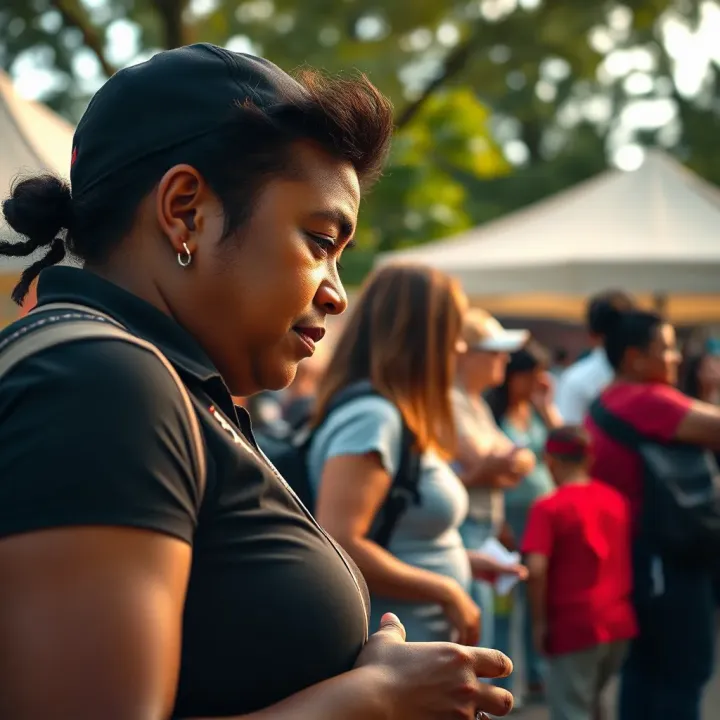
🌏 Explore how Fair Go Free supports Aussie communities with accessible programs, benefits & challenges, promoting true social fairness across Australia.

Discover the Fair Go for Australians Party 🌏—their roots, values, policies, election efforts, and how they push for everyday Aussies' rights in politics.

Explore the Fair Go Review’s findings on social and economic fairness, its impact on Aussies, business responses, and challenges ahead 📊🤝
Based on 10 reviews