

Understanding Magnamail Fair Go: A Practical Guide
🔍 Get to grips with Magnamail Fair Go—how it works, its principles, impacts on users, and practical tips to manage your expectations and navigate the service fairly.
Edited By
Sophie Morgan
Optus' Fair Go Policy is designed to keep broadband services steady and fair for all users. It’s not about punishing heavy internet users but managing network traffic so that no one hogs bandwidth at the expense of others.
Here’s the deal: if you’re streaming, gaming, or doing online marketing campaigns that eat up loads of data, Optus monitors usage patterns to spot excessive consumption during peak times. That’s when speed restrictions or temporary data limits come into play—they help avoid network slowdowns.

Fair usage ensures everyone gets reliable access. Imagine everyone on your block trying to stream 4K videos simultaneously—that’s when the policy kicks in to balance the load.
Excessive usage is defined per account. There's a threshold, usually communicated in your plan details. Going beyond it occasionally isn’t an issue, but constant heavy use during peak hours might trigger management actions.
Speed management is temporary and targeted. If Optus applies speed limits, they usually last a few hours during network congestion and won’t affect off-peak performance.
You still have to meet your usual obligations. Using your broadband reasonably and not for illegal or disruptive purposes remains critical.
Complaint options are available. If you think the policy affected your connection unfairly, Optus has procedures to review and resolve disputes.
The bottom line is that Fair Go Policy helps maintain smooth, consistent broadband for everyone, especially when demand is high.
Whether you’re tweeting live game updates, running online ads, or managing a gaming forum, understanding these controls helps you plan your bandwidth use smarter and avoid hitting limits unexpectedly.
By staying informed about Optus' Fair Go Policy, you can make sure your broadband experience stays as uninterrupted as possible while sharing the network fairly with other customers.
The Fair Go Policy from Optus is designed to keep your broadband experience smooth and fair for everyone on the network. It plays a key role in making sure no single user hogs all the bandwidth, which can seriously slow down service for others. For instance, if one user is streaming multiple 4K videos while others are trying to browse or game online, this policy aims to balance things out.
At its core, the policy promotes fairness by preventing heavy users from eating up too much bandwidth at the expense of others. Imagine a busy stadium Wi-Fi where one person downloading huge files bogs down the whole system; the Fair Go Policy works to avoid that kind of traffic jam on the Optus network. By setting clear usage guidelines, it helps everyone get a decent, reliable connection.
Balancing isn't just about limiting heavy users but about managing overall network performance. Heavy traffic during peak hours can drag down speeds, so Optus uses this policy to keep things running smoothly for the majority. It’s like a traffic cop at a busy intersection, directing flows so that no one gets stuck waiting too long.
Network congestion happens when there’s too much data cramming into the network at once, making your connection crawl. The policy tackles this by monitoring data loads and adjusting speeds or access when necessary. For example, during high-demand times, streaming might slow down slightly to prevent the network from collapsing under the weight.
The Fair Go Policy applies to everyone using Optus broadband services, whether it’s in an apartment, a small business office, or a remote home. It ensures that no matter where you’re connected, you are subject to the same rules about fair usage.
Not all plans are created equal, but the policy covers a broad range of them— from basic home broadband packages to unlimited or premium business plans. While unlimited plans might suggest no limits, the Fair Go Policy still kicks in if usage becomes excessive and impacts others.
This policy doesn’t just cover traditional broadband but spans Optus’ entire internet network, including fixed wireless and mobile broadband. Regardless of the technology or device you’re using to connect, the same fairness principles apply across the board.
Bottom line: Optus’ Fair Go Policy is all about keeping the internet fair and usable for everyone, making sure the network resources are shared wisely.
Optus' Fair Go Policy plays a key role in managing how customers use broadband without sacrificing performance for others on the same network. It's about striking a balance—letting heavy users enjoy their internet while preventing a few from hogging resources and slowing things down. Understanding how this works helps you make smarter choices and avoid surprises if your service changes.
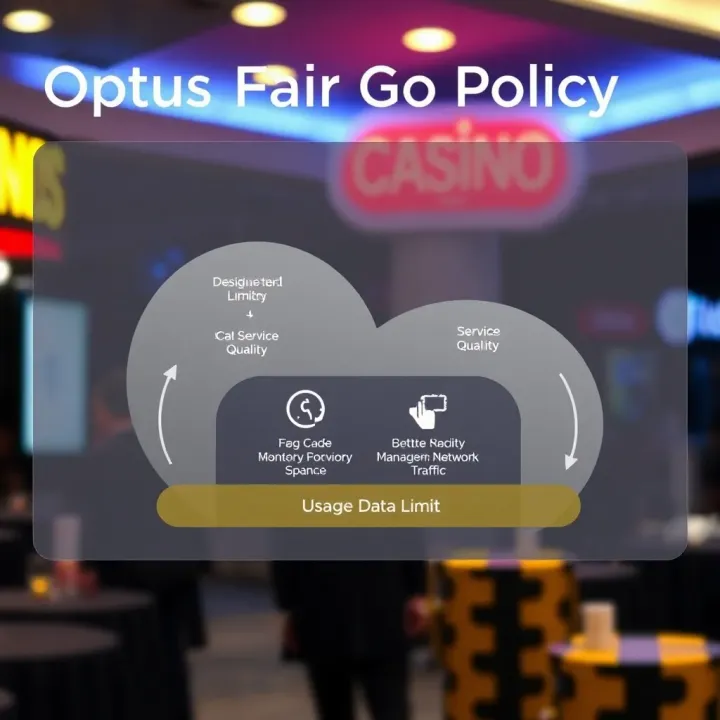
Excessive usage happens when a customer consumes data far beyond what’s typical for their plan, impacting others sharing the same network. For example, someone streaming multiple 4K videos all day or running a server at home might cross into this territory. Optus flags this kind of behavior to maintain fair access for everyone, which means you’re not punished just for using your internet but for using it in ways that clog the system.
Optus sets specific monthly limits depending on your plan's allowance. These thresholds serve as markers—once reached, you’re in the spotlight for possible speed adjustments or connection changes. For instance, if your plan caps at 1,000 GB per month and you hit 1,200 GB regularly, Optus may step in. This system helps prevent unexpected slowdowns by signaling when usage is unusually high.
It’s not just the amount of data but how and when it’s used. Running continuous large downloads, excessive peer-to-peer sharing, or causing network congestion during peak hours could trigger the Fair Go Policy. These behaviors make an impact on network quality for other users, so Optus may throttle speeds or temporarily limit services to keep things running smoothly.
Optus uses traffic shaping to prioritize certain types of data during busy times, like video calls or gaming traffic, while throttling less urgent traffic such as large downloads or updates. This helps avoid bottlenecks. Imagine you’re playing an online poker game—traffic shaping ensures your game remains responsive even if someone else on the same network is downloading a massive file.
Data usage during peak hours (typically evenings) affects network performance more than off-peak times (late night or early morning). Optus may slow down heavy users during peak hours to keep the network stable, while allowing more freedom off-peak. This practice ensures everyone has more reliable access when they need it most.
When the Fair Go Policy kicks in, most customers will notice slower download speeds before uploads are affected, given downloads usually demand more bandwidth. For example, streaming HD video might buffer or drop quality temporarily. Upload-intensive tasks, like live streaming or sending large files, may see less throttling unless usage is extreme. Understanding this helps users anticipate changes and plan their high-bandwidth activities accordingly.
Bottom line: Optus manages heavy internet use to keep its network running smoothly. By knowing these rules, you can avoid slowdown surprises and keep your connection reliable.
Understanding your role under the Optus Fair Go Policy is vital if you want a hassle-free broadband experience. The policy doesn’t just put limits on usage; it expects customers to actively manage their accounts to avoid disruptions. Knowing what you’re responsible for helps ensure fair access to the network for everyone, prevents unexpected slowdowns, and keeps your service steady.
Keeping an eye on your data usage is the first line of defense against running afoul of the Fair Go Policy. Optus typically provides tools through their website or app, letting you track how much data you’ve used in real-time. For example, if you notice you’ve streamed several hours of high-definition video or downloaded large files without a cap, you can anticipate hitting your usage threshold soon. Staying aware prevents surprises and gives you time to adjust your habits or explore plan upgrades before Optus steps in.
Network abuse covers actions that overwhelm or disrupt the Optus network, such as using peer-to-peer (P2P) file sharing excessively or running servers that hog bandwidth around the clock. These practices can cause slowdowns not just for you but for other customers as well. Optus discourages such behavior by monitoring for patterns that signal abuse, like constant high traffic at odd hours. Respecting this helps maintain smooth service and avoids penalties like throttling or suspension.
Beyond just data limits, Optus requires customers to use their broadband service legally and appropriately. This means no illegal downloads, harassment via online platforms, or distributing harmful content. Breaching these guidelines can result in immediate termination of service, not just throttling. Following the rules keeps your connection safe and lets Optus provide a reliable network for all users.
If you approach or exceed your data threshold, Optus generally sends you a notification via email, text, or app alerts. This heads-up lets you know your usage is high, giving you a chance to curb your activity or consider options to maintain speed. For example, a warning might say you’re at 90% of your monthly limit, which can prompt you to pause large downloads or switch to Wi-Fi at a public spot.
Hitting your limit repeatedly often signals that your current plan doesn’t fit your needs. Optus offers several broadband plans, including unlimited data options. Upgrading to a higher-tier or unlimited plan can end annoying slowdowns and give you peace of mind if you regularly use a lot of data. For instance, if you’re a streamer or run an online gaming business, choosing a plan with high or no data caps will save headaches.
Simple habits can keep your usage in check without the need to upgrade every time. Using Wi-Fi over cellular when possible, scheduling downloads during off-peak hours, and setting data use alerts on your devices help manage consumption. If you stream videos, lowering quality from HD to standard can cut data use significantly. These steps ensure you get the most from your plan while respecting the Fair Go Policy.
The bottom line is, staying informed and proactive about your broadband use lets you enjoy reliable service without surprises or slowdowns under Optus' Fair Go Policy.
Dealing with disputes and complaints about Optus’ Fair Go Policy often becomes vital if you think your service isn’t performing as promised or if you believe the policy has been unfairly applied to your broadband usage. Knowing how to address these issues quickly can prevent frustration and potential service interruptions. For people who rely heavily on reliable and fast internet—like casino staff managing live games or digital marketers working on tight deadlines—understanding this process saves time and stress.
When filing a complaint with Optus, the first step is to reach out through available contact methods. You can call their customer service line, use their online chat, or send an email. Having specifics ready—like your account details, dates when you noticed problems, and a clear explanation of your issue—will make this process smoother. For example, if your speeds slowed down after hitting a data threshold, be sure to mention exactly when and how it affected you.
Response times for Optus complaints tend to vary but generally, initial responses come within 48 hours. This timing matters, especially if your work depends on a stable connection or if you need quick resolution to continue your projects without downtime. If the issue isn't resolved quickly, don’t hesitate to follow up to keep things moving.
During the complaint process, you can expect Optus to acknowledge the issue and start an investigation. They may monitor your service or request additional details. The process aims to spot if the Fair Go Policy was correctly applied or if there has been some error—such as throttling during off-peak hours mistakenly. Clear communication helps here; documenting your interactions and keeping notes can support your case if the dispute grows more complex.
If your dispute with Optus isn’t resolved to your satisfaction, the telecommunications ombudsman steps in as a neutral party. This service offers free advice and can handle complaints that Optus hasn’t adequately addressed. For someone running an online gaming blog or a digital campaign relying on uninterrupted broadband, having this resource provides a safety net.
Knowing when to escalate matters is key. If Optus' response misses deadlines or fails to rectify your issue after repeated attempts, filing with the ombudsman may be the next step. For instance, if your download speeds consistently drop below what your plan promises, and internal remedies don’t work, the ombudsman can check if Optus is meeting its service obligations.
Besides the ombudsman, other consumer protection options include reaching out to state consumer affairs offices or filing complaints with the Better Business Bureau. Additionally, keeping an eye on FCC rulings or FCC complaint portals can help, especially if industry-wide issues affect more users. Remember, being informed and proactive about these channels ensures your broadband experience stays fair and functional.
Handling disputes effectively helps maintain control over your broadband service, making sure policies like Optus’ Fair Go work in your favor, not against you.
Heavy data users need options that suit their high consumption without constantly hitting limits or facing throttled speeds. Understanding the choices available from Optus and comparing them with other providers helps you pick a plan that matches your gaming, streaming, or business needs without unpleasant surprises.
Unlimited data plans offer a straightforward solution if you regularly burn through large amounts of data. These plans typically remove strict monthly caps, allowing you to stream HD games, download updates, or host online sessions without worrying about overage charges. Optus provides unlimited options especially targeted at users who need consistent speeds and unrestricted usage, which is critical for activities like live streaming gambling content or running high-traffic websites.
Business or premium broadband options cater to more demanding customers who prioritize speed and reliability over just data allowance. These plans often come with faster download and upload rates, priority support, and service level guarantees. For casino staff or IT professionals managing multiple devices or requiring stable connections for transactions, Optus' business packages can significantly reduce downtime and improve productivity.
Comparing costs and benefits is essential. Unlimited or premium plans come at a higher monthly fee, but the tradeoff can be worthwhile. Consider your usage patterns: if you game heavily, stream, or run business systems online, paying a bit more avoids slowdowns and interruptions that cost time and money. Optus plans balance price with performance, but be sure to factor in contract terms, potential setup fees, and any extra charges.
Comparing Optus with competitors highlights differences in pricing, data limits, and speed consistency. Providers like Comcast, Verizon, or AT&T offer their own high-data plans, sometimes bundled with services like streaming subscriptions or cloud storage. Check if competitors have better deals in your area or technology like fiber optics that may deliver faster, more reliable service for your heavy use.
Evaluating alternative network providers means digging into their network coverage, terms, and customer reviews. Smaller ISPs might offer more flexible policies, easier upgrades, or fewer throttling issues. Sometimes, regional providers use infrastructure leased from bigger companies but add personalized support or special contingencies for heavy users.
Be sure to test connection quality and customer service responsiveness before switching to a new provider.
Considerations for switching go beyond just pricing. Look at contract flexibility, early termination fees, and equipment requirements. Migrating service may involve downtime, and transferring phone numbers or business-related accounts can be hassle. For gamers or those running online operations, stability during the switch is crucial. Also, check if your current hardware, like modems or routers, are compatible with a new provider.
Making an informed choice about broadband plans lets you avoid the frustration that heavy data users often face under Fair Go Policies. Both Optus' specialized options and alternatives on the market deserve a close look to find your best fit.
🔍 Get to grips with Magnamail Fair Go—how it works, its principles, impacts on users, and practical tips to manage your expectations and navigate the service fairly.

🔍 Learn what Fair Go AUD means for you in Australia's dollar market. Understand consumer rights, business impacts, regulator roles, and practical tips to navigate it.

🎄 Wondering if you qualify for the Fair Go Bonus? Find out who’s eligible, how much you can get, and how to apply – plus how it stacks up against other payments.

Explore how Australia's Fair Go policy ensures everyone gets a fair go in work, education and social support, shaping an equal and inclusive community 👩🏫🤝🇦🇺
Based on 8 reviews