

Understanding Fair Go Fun and Its Impact
Explore how 'fair go fun' blends fairness and fun, shaping Aussie life, work, and social scenes. Discover its roots, impact, and challenges. 😊🤝🇦🇺
Edited By
Mia Roberts
The idea of a "fair go" is deeply rooted in American culture, though the term itself is more popular in countries like Australia. It boils down to one clear principle: treating everyone with fairness and giving equal shot at opportunities. But that simple phrase carries a lot of weight across different layers of society.
At its core, a fair go means having the same chance to succeed regardless of background, circumstances, or connections. It’s about leveling the playing field, whether in the workplace, education, or everyday interactions. For example, in a casino, a fair go translates to games being run with honesty and transparency, ensuring players see they have an equal chance to win. Staff training emphasizes integrity so the house doesn’t take undue advantage, reinforcing trust among patrons.
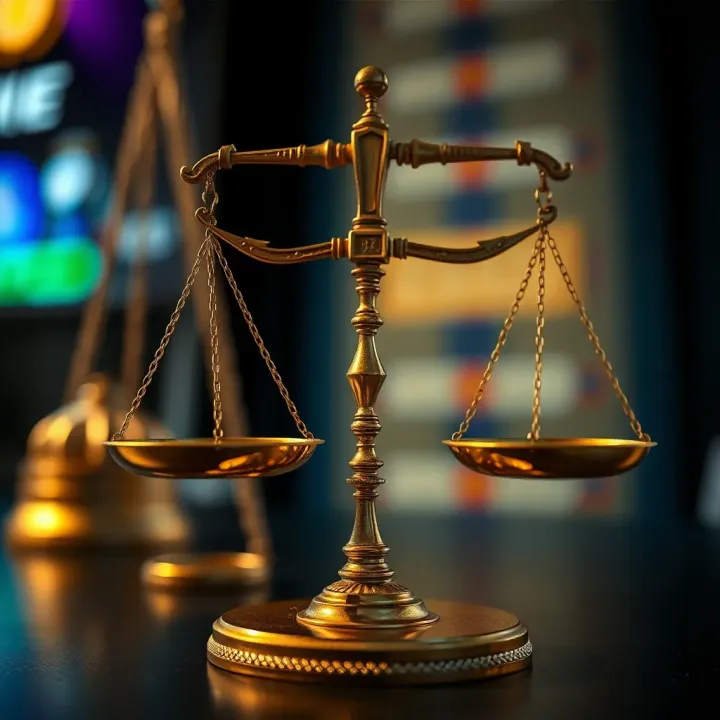
The fair go also ties closely to social policies. Programs addressing income inequality, access to healthcare, and education funding lean on this principle to justify efforts that help all citizens, not just the privileged few. When government initiatives push for fair hiring practices or equal pay, they’re essentially fighting to uphold the fair go.
You see its impact far beyond law and policy too. In digital marketing, ensuring fair go means avoiding manipulative tactics that target vulnerable users, instead offering honest communication and transparent choices. IT professionals promote accessibility so that software works for people with disabilities, giving a fair shot at technology benefits.
However, challenges persist. The gap between promise and practice can be wide when biases, economic hurdles, or lack of oversight come into play. Recognizing these obstacles is key to pushing for fairer systems.
The bottom line: a fair go isn’t just a feel-good idea — it’s a foundational way to promote equality, trust, and social cohesion in diverse sectors. Without it, opportunities stack up unevenly, leaving many stuck on the sidelines.
To sum up, understanding the fair go requires looking at how it shapes policies, behaviors, and expectations. It’s about fairness you can measure, trust you can build, and chances you can actually seize. That outlook helps industries—from gaming floors to digital platforms—stay accountable and fair for everyone.
Understanding the fair go is key to grasping how fairness works in society and why it's a concept that resonates deeply in many communities. At its core, the fair go advocates for equal chances and fair treatment, whether that's at work, in education, or within social interactions. For instance, in a casino setting, offering every player an equal shot at winning without bias embodies the fair go principle in action. It's not just a moral stance but also something that helps maintain trust and harmony among people.
The fair go boils down to the simple idea that everyone deserves a reasonable shot at success, regardless of their background or circumstances. It's about fairness in opportunity—not necessarily equal outcomes. For example, in online gaming platforms, ensuring that all players have equal access to games without unfair obstacles reflects the fair go. This fairness helps build a loyal user base because people feel they're playing on a level field.
While the underlying idea of fairness or a fair chance shows up globally, different cultures interpret and prioritize it uniquely. In the U.S., the fair go links closely with the American Dream—the belief that hard work, regardless of starting point, can lead to success. Conversely, some societies might emphasize community welfare over individual opportunity, seeing fairness as how well resources are shared. Recognizing these variations is crucial for businesses or social services operating across borders, ensuring policies respect local values while aiming for equitable treatment.
The phrase "fair go" has its roots in the early 20th century, primarily in Australian English, but its meaning quickly spread and gained popularity in other English-speaking countries, including the U.S. It emerged as a call against unfair treatment and social inequality, often invoked in workers’ rights and labor movements. The phrase captured the frustration over systemic barriers and the desire for fairness that many people felt but struggled to express.
Over the decades, the fair go moved beyond labor issues to touch all areas of social life. Civil rights movements, educational reform, and policy debates often reference the need for a fair go to frame arguments about equality and justice. Today, it underpins discussions around equal opportunity laws, anti-discrimination rules, and social welfare programs that try to balance society’s disparities. For example, in digital marketing, transparency about data use and targeting aims to give consumers a fair go, avoiding manipulative practices.
The fair go isn’t just about justice on paper—it’s the everyday assurance that fairness guides our interactions and systems, making society more inclusive and just for everyone.
Ensures equal opportunities rather than identical outcomes.
Reflects cultural values and expectations about fairness.
Roots in social movements highlight ongoing struggles for justice.
Understanding what the fair go means helps unpack its impact on various sectors—whether it's gaming, workplace dynamics, or social policy—informing how fairness manifests in real-world situations.
The fair go holds a unique place in shaping ideas about fairness and opportunity. It’s more than just a saying—it influences how people interact and how societies function. Understanding its cultural importance helps shed light on why fairness remains a constant concern across different settings.

The fair go aligns closely with the American Dream, which promises everyone a chance to succeed through hard work. This idea reflects the belief that society should offer equal opportunity regardless of background. In practical terms, it means policies and social attitudes that support individuals striving to improve their circumstances without unfair barriers.
For example, programs aimed at improving education access or fair lending practices are rooted in this expectation. They help level the playing field, ensuring that a person’s start in life isn’t the sole factor in their success or failure.
In daily interactions, the fair go encourages people to treat each other with respect and honesty. This manifests in expectations around things like fair pay, honest business dealings, and equal treatment in public services. A worker refusing unfair treatment or customers demanding transparent pricing are everyday examples.
When fairness is practiced routinely, it builds trust and reduces conflict. This helps communities function smoothly and supports personal well-being.
Fairness acts as a social glue, fostering connections between diverse groups. Communities that emphasize a fair go tend to show stronger support networks. These networks provide help during tough times or emergencies, as people believe their contributions and needs will be respected.
For instance, local efforts to include marginalized groups in decision-making show how fairness impacts social cohesion. It encourages cooperation and reduces tensions derived from perceived inequities.
Many cultures share values that mirror the fair go under different names. Equity and justice often revolve around ensuring everyone’s voice matters and resources are distributed fairly. For example, in Scandinavian countries, the concept of "Janteloven" promotes humility and equality, discouraging standing out too much.
Such principles influence social policies, like universal healthcare or strong labor protections, that aim for widespread fairness.
Countries with these fairness principles often enjoy higher levels of social trust and lower inequality. Japan’s emphasis on harmony and collective responsibility drives practices ensuring fair treatment at workplaces and schools. This cultural backdrop supports social stability and economic productivity.
Ultimately, while the fair go might sound casual, its counterparts worldwide shape how societies handle fairness. These values guide everything from workplace norms to government programs, affecting daily life and long-term growth.
The bottom line is that fairness isn’t just an ideal; it's a practical foundation for thriving communities everywhere.
Applying the fair go principle in social and economic contexts ensures everyone has a reasonable shot at success and well-being. This idea goes beyond just words — it calls for practical steps in workplaces, education, healthcare, and laws to reduce unfair barriers and give all individuals a real chance.
Equal opportunity hiring means companies focus on talents and skills without letting race, gender, or background tip the scales unfairly. For example, a tech company might use blind recruitment software to hide names and addresses during resume screening. This simple move helps prevent unconscious bias and opens doors to diverse candidates who might otherwise be overlooked.
Workplace fairness and discrimination tackle how employees are treated day-to-day. Fair policies cover promotions, pay, and even daily interactions. Suppose a casino uses clear anti-harassment rules and regularly trains employees to spot unfair treatment; this helps maintain a respectful environment where everyone feels valued.
Access to quality education is a cornerstone of giving people a fair chance. Schools in underserved neighborhoods often face challenges like outdated materials or fewer extracurriculars. Policies and funding aimed at leveling this playing field, such as grants or tutoring programs, directly impact students’ futures by widening opportunities.
Healthcare equity means making sure medical care isn’t just for those who can afford it. Community health clinics offering affordable or free services provide a real-world example of this. When insurance gaps or socio-economic status don’t block basic care, everyone can maintain better health and contribute fully to society.
Anti-discrimination laws act as a backbone for enforcing fair play. Laws like the Civil Rights Act or the Americans with Disabilities Act prohibit unfair treatment in hiring, housing, and public services. These legal protections help hold organizations accountable and provide remedies if people face discrimination.
Social welfare programs promoting fairness support those at economic disadvantages. Programs like unemployment benefits or food assistance keep individuals afloat during tough times. For someone laid off from a gaming job, these safety nets offer breathing room to find new work or retrain without slipping through society’s cracks.
The bottom line is that putting fair go principles into action requires concrete steps in policies, workplaces, and services. It's about more than ideals—it's about making fairness the default setting across everyday life.
By focusing on these areas, society builds environments where everyone has a real chance to succeed, reflecting the true spirit of a fair go.
Upholding the principle of a fair go isn’t always straightforward. Various challenges get in the way, making true fairness a tough goal. These obstacles range from deep-rooted systemic issues to misunderstandings about what fairness really means. For anyone working in fields like gaming, marketing, or IT, grasping these challenges helps in fostering a culture that genuinely values equal opportunity and respect.
Systemic inequality refers to the ingrained policies and practices that advantage some groups over others. This isn’t just about individual unfairness; it’s baked into institutions like education, employment, and the legal system. For example, certain communities might consistently face hurdles accessing quality training or promotions in the workplace, even if rules appear neutral. In the gaming industry, systemic inequality can surface when affiliate programs or advertising budgets favor larger companies, sidelining smaller operators and impacting competition.
Economic disparities cut across fairness because resources and opportunities often depend on financial means. When someone can’t afford access to technology or education, their chance for a fair go suffers. Take digital marketers targeting audiences—those without stable internet or devices fall off the radar, perpetuating exclusion. In casinos, players from lower-income backgrounds might not have the bankroll to enjoy games on equal footing with wealthier gamblers, which raises questions about fairness in access.
Cultural biases shape perceptions of fairness and often unfairly tilt the scales. Implicit stereotypes affect decisions in hiring, customer interactions, or content creation. For instance, if a gaming platform favors Western culture icons over others, it can alienate a diverse audience. Recognizing and challenging cultural biases is essential to making sure policies and interactions promote true inclusivity rather than just paying lip service.
Misuse or misunderstanding of the term "fair go" happens when it’s tossed around without clear meaning. Some people use it to defend the status quo rather than question inequity. In workplaces, this might look like dismissing claims of discrimination with claims that everyone gets a fair go, ignoring real obstacles. In marketing, the phrase may be used to justify questionable business practices under the guise of fairness, muddying its significance.
When fairness conflicts with merit or individualism, tensions arise. Fairness often implies equal treatment, but meritocracy rewards individual achievement. In some cases, this leads to debate—should a promotion go to the most qualified person or be adjusted to correct historical inequalities? Gaming mixes merit and luck, so balancing fairness and individualism is tricky. The bottom line is that these conflicts show fairness can’t always be a one-size-fits-all concept and needs careful handling to avoid unfair consequences.
Challenges to fairness are complex and often intertwined. Recognizing these issues helps businesses and individuals make more thoughtful, equitable decisions.
Understanding these barriers and controversies is vital. They help unpack why the fair go, while a powerful ideal, is a work in progress in many sectors. Addressing them head-on leads to better practices and more genuine fairness, whether you’re managing a casino floor or running an online ad campaign.
The Fair Go principle drives how individuals behave and interact daily, weaving fairness and equality into the fabric of society. Its influence goes beyond just abstract ideals—it shapes real-world attitudes, decisions, and social norms. For gamblers, casino staff, digital marketers, and IT professionals alike, embracing a fair approach supports trust and respect, which ultimately boosts social cohesion and business success.
Respect and empathy are cornerstones in making the Fair Go work on a practical level. When individuals approach each other with genuine respect and try to understand different perspectives, it reduces conflicts and fosters cooperation. For example, casino staff who treat every guest with kindness and patience create a welcoming atmosphere that encourages repeat visits. Similarly, marketers who listen to customer feedback without bias show respect, building stronger brand loyalty.
Empathy also helps in recognizing unseen challenges others face. An IT professional who considers a colleague's workload or personal struggles might offer help rather than judge delays. This reflects fairness not just as a rule but as a lived value, making workplaces and communities healthier.
Promoting inclusivity means actively making space for diverse voices and removing barriers that exclude people based on background, ability, or identity. In social settings or workplaces, this can be as simple as ensuring meetings are accessible to all employees or as complex as creating policies that support equal opportunity.
Take gaming communities, for example. They thrive when players of varying skill levels feel welcomed rather than left out. This inclusiveness increases participation and satisfaction. In digital marketing, campaigns that recognize different audience segments respectfully often see better engagement and results.
Community support and solidarity emerge naturally when the Fair Go mindset spreads. When people expect fairness from each other, they're more likely to chip in during tough times, creating stronger social networks. Think about how a small town coming together after a local casino closes can lead to new ventures or retraining programs, easing economic strain.
Such solidarity isn’t just warm feelings—it has concrete benefits in raising resilience against social challenges like unemployment or discrimination. Businesses reflecting these values often enjoy goodwill that bolsters their standing.
Impact on social mobility is profound when fairness shapes societal expectations. A Fair Go encourages systems where talent and effort matter more than background or wealth. This means scholarships for underserved students or mentorship programs in tech that open doors previously closed.
For instance, a casino employing workers from diverse socioeconomic statuses based on merit rather than connections signals fairness. Over time, this supports upward mobility and reduces inequality, proving beneficial not just for individuals but entire communities.
The bottom line is that the Fair Go influences both how people treat each other daily and how societies build structures that promote equality and opportunity. It’s a principle that, when practiced, creates fairer, more supportive environments for everyone involved.
Explore how 'fair go fun' blends fairness and fun, shaping Aussie life, work, and social scenes. Discover its roots, impact, and challenges. 😊🤝🇦🇺

🔍 Discover how the Fair Go Team supports fairness and compliance in Aussie government services, helping with social security concerns and ensuring integrity across systems.

Discover Fair Go Live: how it works, key features, and tips to engage confidently. Find out the benefits and clear up common concerns 🛠️📲
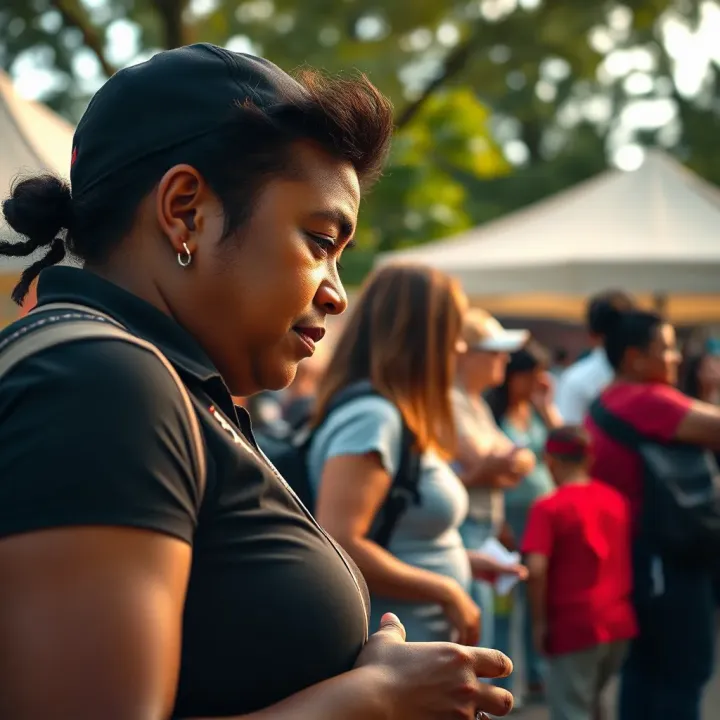
🌏 Explore how Fair Go Free supports Aussie communities with accessible programs, benefits & challenges, promoting true social fairness across Australia.
Based on 6 reviews