
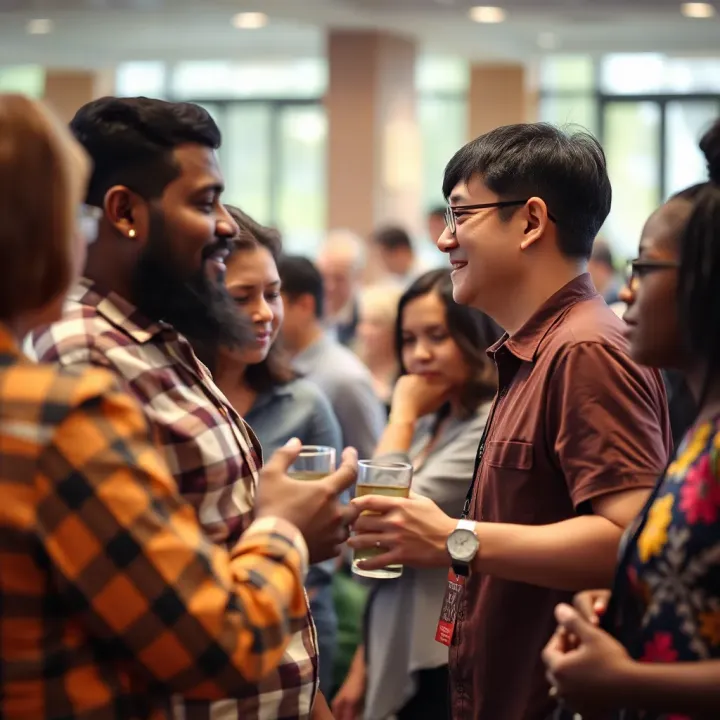
Understanding the Fair Go Principle
🤝 Explore the fair go principle in Australia, its history, legal backing, and how you can spot unfair practices to support fairness in your workplace and community.
Edited By
Olivia Bennett
Fairness means giving every person an equal chance, no matter their background or circumstances. It’s more than just being polite in everyday life—it’s a core principle that shapes how societies function, especially in areas like education, work, and legal systems.
In the gaming and casino industries, for example, fairness directly impacts trust. When gamblers feel the odds are clear and the house rules don’t favor one group unfairly, they're more likely to engage honestly. This principle also applies to workplace policies. Employees expect hiring and promotions based on merit, not on favoritism or bias.

Fairness builds belief in the system. Without it, communities and businesses risk losing credibility and participation.
Here are some crucial points to help grasp how fairness plays out in real life:
Equal Opportunity in Education: Offering all students access to resources, tutoring, and support, regardless of their socio-economic status, helps level the playing field.
Transparent Employment Practices: Companies that use clear criteria for hiring and advancement avoid discrimination and promote diversity.
Impartial Legal Systems: Courts need to treat everyone equally, ensuring fair trials and consistent sentencing to maintain justice.
Challenges pop up when systemic biases or resource gaps persist. For example, some neighborhoods lack quality schools or job networks, making it harder for people to get that "fair go."
To tackle this, businesses and communities can:
Implement bias training and blind recruitment to protect hiring fairness.
Offer scholarships or educational programs to underserved groups.
Use transparent policies and technologies to audit fairness regularly.
Understanding the principle of giving everyone a fair go means recognizing both the ideal and the obstacles. It’s about actively creating environments where each person’s chance to succeed isn’t blocked by unfair barriers. This mindset strengthens industries from casinos to corporate offices and helps build trust across the board.
Keep fairness in mind whether you’re designing a game payout algorithm, hiring staff, or building community programs — it’s the backbone of long-term success and social trust.
Giving everyone a fair go means ensuring that each person gets a genuine opportunity to succeed without being held back by prejudice, discrimination, or unfair rules. This principle underpins social justice and equal opportunity, shaping how communities, workplaces, and institutions function. For those in gaming or tech industries, it might translate to creating inclusive hiring processes or fair matchmaking systems in online games.
Fundamentally, this principle is about fairness—making sure no one receives undue advantage or disadvantage because of race, gender, background, or economic status. Otherwise, talented individuals might be overlooked, which hurts not just individuals but entire industries and societies.
Fairness revolves around impartial treatment and recognizing individual circumstances without bias. In legal systems, fairness means equal protection under the law, where everyone gets a fair trial regardless of their status. Socially, it implies equitable access to resources such as education, healthcare, or employment.
For instance, fair treatment in a casino setting might involve transparent rules that apply equally to all players, preventing cheating or favoritism. Similarly, in workplace environments, fairness ensures policies against discrimination and supports diverse teams, which studies show improve productivity.
Fairness isn't the same as equality, which treats everyone the same regardless of their starting point. Think of equality as giving every gamer the same gear, while fairness (equity) provides support to new players to compete with veterans. Equity adjusts for disadvantages to ensure a level playing field.
For example, providing specialized training for underrepresented groups in tech ensures that fairness accounts for historical barriers rather than just treating everyone identically.
The idea of giving everyone a fair chance has deep roots in civil rights movements worldwide, especially in the US during the 20th century. The struggles for racial equality, women's rights, and labor protections each underscored the need to dismantle unfair systems.
These movements led to laws like the Civil Rights Act and fair hiring regulations, directly affecting how workplaces and public services operate today. Their legacy teaches us that giving everyone a fair go requires ongoing effort and legal backing.

Fairness can look different across cultures. In some Native American communities, fairness is closely tied to the idea of collective well-being, emphasizing shares and responsibilities within the group rather than individual gain.
In contrast, Western cultures often focus on individual rights and meritocracy. Understanding these perspectives can improve how global companies or gaming platforms design policies that resonate across diverse audiences, ensuring fairness in a way that respects cultural values.
Bottom line: Giving everyone a fair go is more than a phrase—it's a commitment to justice, inclusivity, and practical measures that make opportunity real for all.
Fairness plays a direct role in creating social equity by ensuring that everyone has access to the same opportunities, resources, and protections, regardless of their background. When fairness guides social systems, it helps reduce the gap between marginalized groups and the majority, enabling a more balanced and just society. For example, fair policies in housing can prevent discriminatory practices that historically excluded minorities from certain neighborhoods.
Systemic barriers and discrimination often stand in the way of marginalized communities accessing education, jobs, and healthcare. These obstacles include unconscious bias, restrictive laws, or economic inequality. Addressing these issues means actively removing legal and social hurdles so that underrepresented groups can compete on equal footing. For instance, programs that offer scholarships specifically for students from low-income families have shown improved college participation rates.
Progress has been made in areas like affirmative action and anti-discrimination laws, which open doors previously closed. Yet, challenges persist, such as the digital divide preventing rural or low-income communities from fully engaging in technology-driven economies. Recognizing these ongoing struggles is crucial for developing targeted solutions that go beyond mere legislation.
Fairness influences education and career opportunities by leveling the playing field for individuals from diverse backgrounds. When hiring practices focus on skills and potential rather than biased criteria, companies can harness a wider talent pool. This approach benefits not just individuals but the overall economy by promoting innovation and productivity. A good example is tech firms recruiting coding talent from nontraditional backgrounds, resulting in more diverse and creative teams.
Community well-being also ties closely to perceptions of fairness. Places where residents feel treated fairly tend to experience lower crime rates, higher civic engagement, and better mental health outcomes. This sense of fairness creates social cohesion, leading neighbors to support each other and participate actively in community projects. In contrast, communities plagued by inequality often suffer from distrust and unrest, illustrating why fairness is foundational to societal stability.
The bottom line is that fairness isn't just a moral ideal—it's a practical necessity for strong, thriving communities.
By focusing on fairness, society can foster environments where all individuals have a fair shot at success and well-being, which benefits everyone in the long run.
Fairness in everyday settings touches every aspect of our lives, from the places we work to the schools our children attend, and even the legal systems that govern us. Applying the fair go principle practically means making sure opportunities and treatment are not just equal on paper but truly accessible and just in action. This is especially relevant for industries like gaming, digital marketing, and IT, where diversity and inclusion can directly drive innovation and customer trust.
Equal hiring practices and anti-discrimination policies form the backbone of a fair workplace. They ensure candidates are judged solely on skills and merit, not on gender, race, age, or background. For instance, a casino hiring team adopting blind recruitment techniques might omit names and personal details to avoid unconscious bias. This approach not only levels the playing field but can lead to hiring a more diverse staff, which benefits operational insight and customer relations.
Creating inclusive work environments goes beyond just hiring. It means cultivating a space where different voices feel valued and heard. In tech companies, like those developing gaming software, this can translate into support networks or mentorship for underrepresented groups. Such inclusivity boosts employee morale and retention, while driving creativity by embracing varied perspectives.
Ensuring access and support for all students is critical because it sets the foundation for equal opportunities in career and life. Take community colleges offering flexible schedules and online courses catering to working adults; this kind of accessibility removes barriers and embraces diverse learners. Scholarships aimed at students from marginalized communities further level the playing field.
Addressing achievement gaps and resource allocation means schools and educational bodies commit resources where they’re needed most. For example, striving to close gaps in STEM education among minority groups can involve targeted tutoring programs or tech grants. The result is not just fairness in theory but tangible improvement in student outcomes, helping create a pipeline of diverse talent for industries like IT and gaming.
Equal protection under the law ensures everyone receives the same legal safeguards, no matter their background. This principle is vital in industries linked to gambling and gaming, where regulatory compliance must apply evenly. Cases where marginalized individuals face harsher legal outcomes highlight ongoing challenges that call for vigilant reforms.
Reforming processes for fair treatment involves updating legal practices to reduce bias and complexity. For example, simplifying dispute resolution procedures for consumer complaints in the digital marketing sector helps smaller players defend their rights without prohibitive costs. Equally, efforts to eliminate discriminatory sentencing or improve public defender resources embody fairness by making justice more accessible for all.
The bottom line is this: applying the fair go principle in daily life is about embedding fairness into routines and systems, not just ideals. Whether it’s hiring at a casino, allocating school resources, or navigating laws, concrete actions protect fairness as a shared value and practical reality.
Addressing fairness in real life often bumps into tough challenges that slow down or block progress. Understanding these obstacles helps you figure out practical ways to keep fairness alive, especially in areas like gambling and digital marketing, where decision-making and resource distribution directly affect people’s chances.
Unconscious bias hides in plain sight, shaping decisions without anyone noticing. These biases influence who gets hired, promoted, or given opportunities, sometimes tipping the scales unfairly. For example, a casino manager might unknowingly favor applicants who share common interests or backgrounds, missing out on diverse talents. This subtle favoritism affects both individuals and the overall fairness of the workplace.
Structural inequality goes deeper, embedded in how institutions like banks, gaming companies, or tech firms operate. Take credit scoring algorithms in lending decisions—a biased model can deny loans disproportionately to certain groups, restricting economic opportunities. Similarly, automated systems in online gaming might unintentionally favor certain players if they don’t account for diverse player behavior or access. These systemic barriers demand intentional fixes, not just awareness.
Scarce resources force tough choices when trying to keep fairness intact. A sports betting company, for instance, might have limited budget for player support programs and must decide how to allocate funds fairly across different customer segments. Prioritizing fairness here means balancing efficiency with access, ensuring the most vulnerable users aren’t left behind while the company stays viable.
Balancing individual and group rights is another tricky area. An online casino might want to protect player privacy individually but also needs to collect enough data to spot fraudulent activity affecting the whole platform. Here, fairness becomes a balancing act—respecting individual freedoms without compromising group security or fairness. Recognizing this tension helps organizations design rules that consider both sides.
Practical fairness means not only calling out bias and inequality but also managing limited resources and conflicting needs carefully. This balance is key to keeping a fair go alive in fast-paced, competitive fields like gaming and digital marketing.
Unconscious biases skew decisions subtly but significantly.
Structural inequalities hide within institutional rules and tech systems.
Fair distribution must consider resource limits.
Tensions between personal and collective rights require thoughtful compromise.
By facing these challenges head-on, professionals in gambling, tech, and marketing can create more transparent, inclusive, and fair environments benefiting everyone involved.
Promoting fairness and equal access requires a mix of policies, community support, and personal commitment. These strategies work together to break down barriers and create environments where everyone gets a genuine shot. For gamblers, casino staff, gaming bloggers, and IT pros, understanding these approaches can help foster more inclusive spaces both online and offline.
Laws that support non-discrimination and access have a direct impact on ensuring fairness. For example, the Americans with Disabilities Act (ADA) mandates that public venues, including casinos and gaming platforms, accommodate individuals with disabilities. This makes sure all players and staff have equal access, lowering obstacles caused by physical or systemic barriers. Policies like Title VII of the Civil Rights Act also prevent discrimination based on race, gender, and age, which is crucial for fair hiring and treatment in workplaces such as casinos or tech companies.
Evaluating the effectiveness of existing policies helps identify gaps where fairness still falls short. A policy might look good on paper but fail in practice without proper enforcement. Regular audits and feedback from employees or customers reveal if policies are working or need adjustment. For instance, a casino might have an anti-discrimination policy but if reports of bias go unaddressed, the policy’s impact is minimal. Tracking metrics like hiring diversity, complaint resolutions, and accessibility improvements provide concrete data to measure success.
Grassroots efforts fostering inclusion often come from individuals and small groups dedicated to change. They might organize workshops on recognizing bias or create peer support networks for marginalized workers. In gambling communities, these efforts can include promoting responsible gambling and fair treatment regardless of background. Gamblers and staff who advocate for fairness create powerful change on the ground, building trust within the community.
Corporate social responsibility (CSR) and fairness are increasingly important as companies recognize their role beyond profit. Casinos and tech firms can implement CSR programs that focus on diversity hiring, community outreach, and ethical gaming practices. For instance, some online gaming platforms invest in monitoring tools to detect unfair play or unfair marketing targeting vulnerable users. These initiatives not only boost reputation but also create a safer, more equitable environment.
Recognizing and addressing personal biases is a key step any individual can take. Everyone holds unconscious biases that influence decisions without realizing it. For casino staff or digital marketers, this might mean challenging assumptions about who is likely to engage or succeed. Training sessions and self-reflection exercises help uncover these hidden biases so people can act more fairly, whether in customer service or hiring decisions.
Advocating for others and fostering empathy turns fairness from an abstract principle into daily practice. Speaking up when witnessing unfair treatment and listening to others’ experiences build empathy. For example, a gaming blogger highlighting stories around fair access or bias raises awareness and promotes inclusivity. In tech teams, encouraging open conversations about fairness helps build diverse, respectful work cultures.
Bottom line: Combining policy, community efforts, and personal commitment creates real pathways to fairness. Each plays a role in making sure everyone actually gets a fair go—not just in theory, but in practice.
🤝 Explore the fair go principle in Australia, its history, legal backing, and how you can spot unfair practices to support fairness in your workplace and community.

🇦🇺 Discover how the fair go shapes Aussie values, promoting equality and justice. Learn its role in society and how we can keep the spirit alive in our communities.

Explore the true meaning of a fair go in Australia 🇦🇺 — how it shapes workplace fairness, social attitudes, government policies, and everyday life for all Aussies.

🇦🇺 Discover why the fair go matters in Aussie life—how it shapes society, influences policies, and why keeping it fair isn't always straightforward. ⚖️
Based on 11 reviews